
Reggio Emilia
Reggio Emilia is an educational philosophy started by an Italian educator Loris Malaguzzi, along with local parents and community members in the city of Reggio Emilia, Italy, after World War II. It grew from a desire for a fresh, child-focused way to learn.
At Peachy Keen, we follow a Reggio Emilia-inspired approach to early learning..
but what does that really mean?
Simply put, we see children as capable, curious, and full of potential, and focus on helping them learn through exploration, creativity, and collaboration.
Children as Explorers and Thinkers
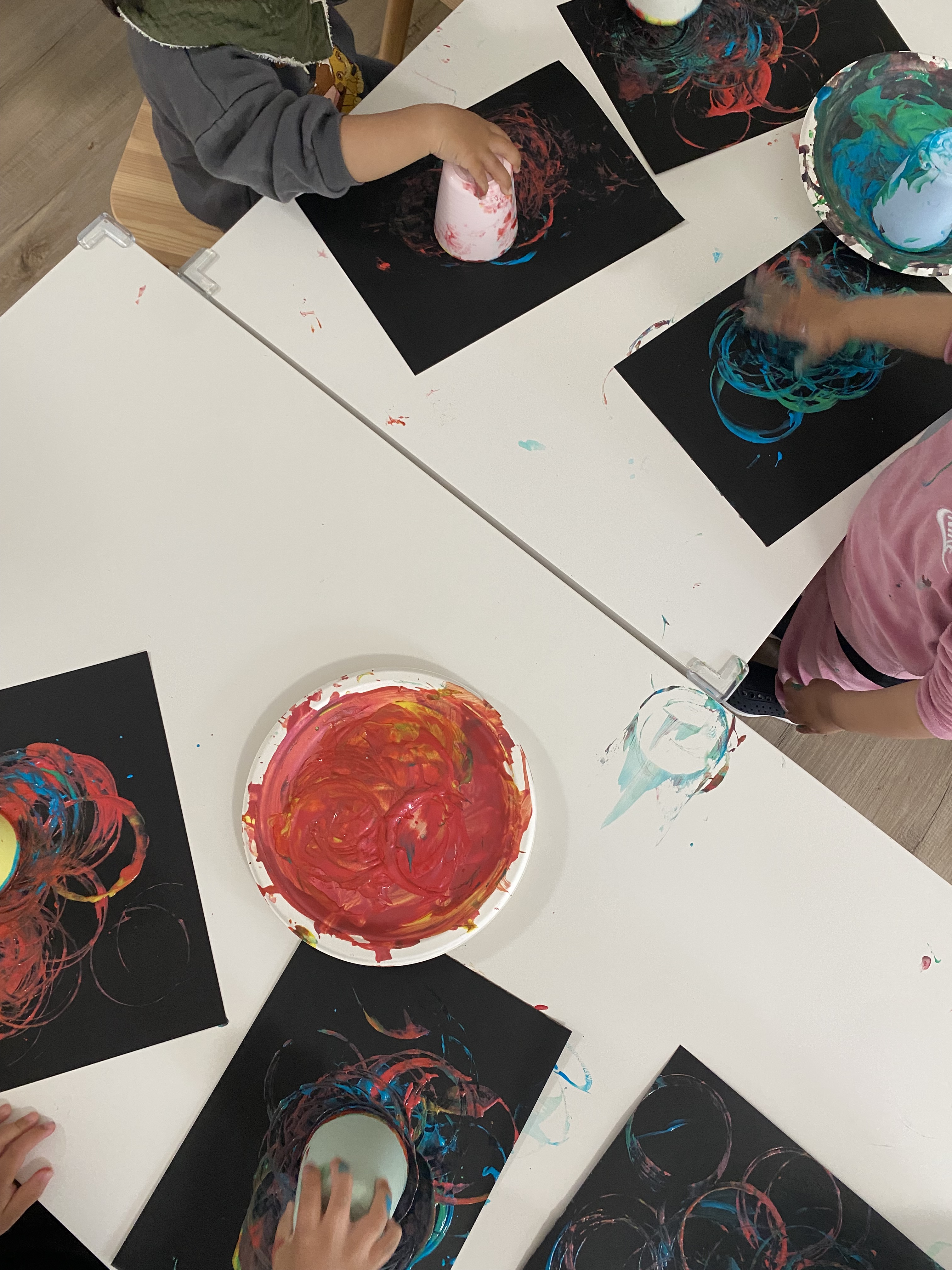
In the Reggio Emilia approach, children are seen as active participants in their own learning. Instead of just following instructions, they ask questions, investigate, experiment, and discover. Every activity is an opportunity for children to explore their interests and make sense of the world around them.
Learning Through Projects and Investigations
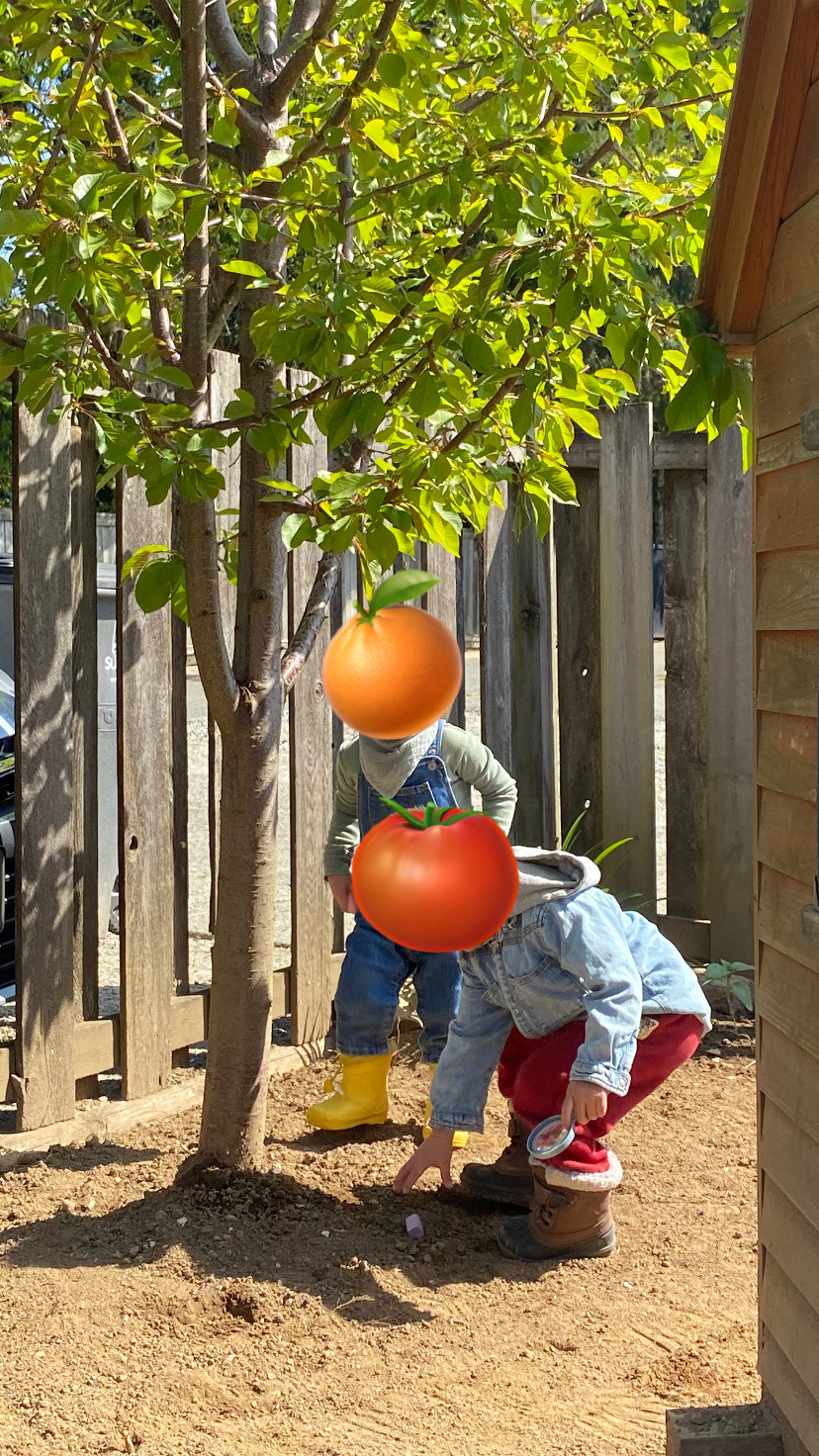
In Reggio-inspired programs, learning often happens through long-term projects that grow from children’s interests. For example, a curiosity about water might lead to weeks of experiments with pouring, floating, freezing, and building water walls.
You can see how our water play, child-led curriculum puts this philosophy into action:
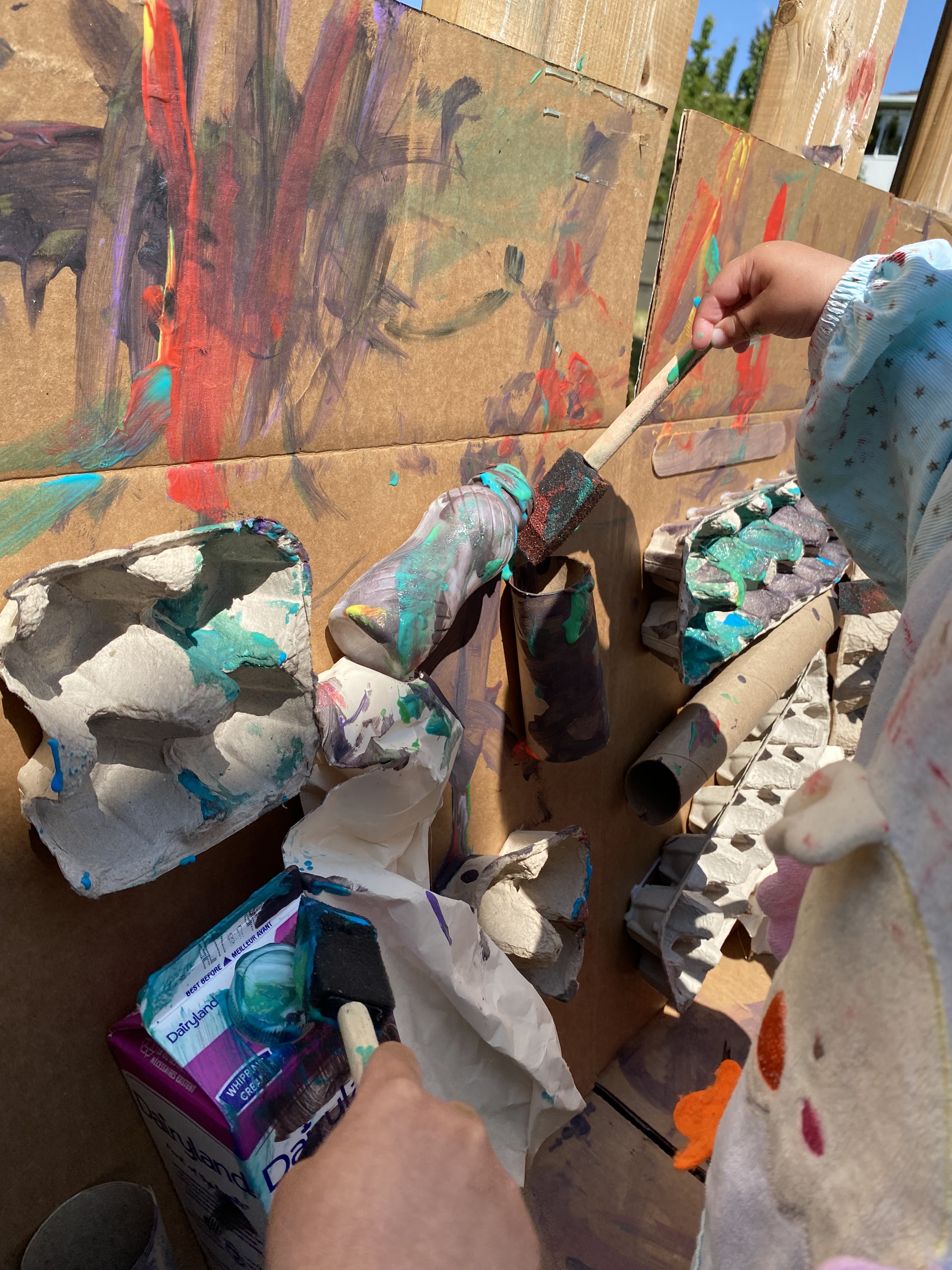
These projects allow children to see the bigger picture, connect ideas across experiences, and develop deeper skills in science, math, language, and social-emotional learning. Parents love this because it turns play into meaningful, real-world learning and shows how children’s understanding grows over time.
Understanding what it means when children are
Thinking, Exploring, and Discovering
Asking questions
Children are encouraged to wonder about the world around them. For example, they might ask why a plant grows toward the light, or what happens when you mix two colors of paint.
Experimenting and testing ideas
Learning is hands-on. Children try things out, make mistakes, and figure out solutions on their own or with peers.
Solving problems creatively
Instead of being given a “right answer,” children explore multiple ways to reach a solution, which encourages critical thinking and creativity.
Connecting ideas
They link new experiences to what they already know, building a rich, personal understanding of the world.
Collaborating and sharing insights
Working with other children, they discuss ideas, compare observations, and learn from one another, developing social and communication skills along the way.
Learning is a Journey, Not a Destination
Educators in a Reggio-inspired program act as guides, observers, and collaborators, not just teachers.
They:
· Listen carefully to children’s ideas
· Ask thoughtful questions to deepen understanding
· Provide materials and experiences to support exploration
This means that learning is driven by curiosity, and children are encouraged to follow their own ideas while building new skills.
By valuing their ideas and observations, educators help children see themselves as thinkers and investigators, not just learners. This mindset sets the stage for lifelong curiosity and a love for learning.
The Environment as the Third Teacher
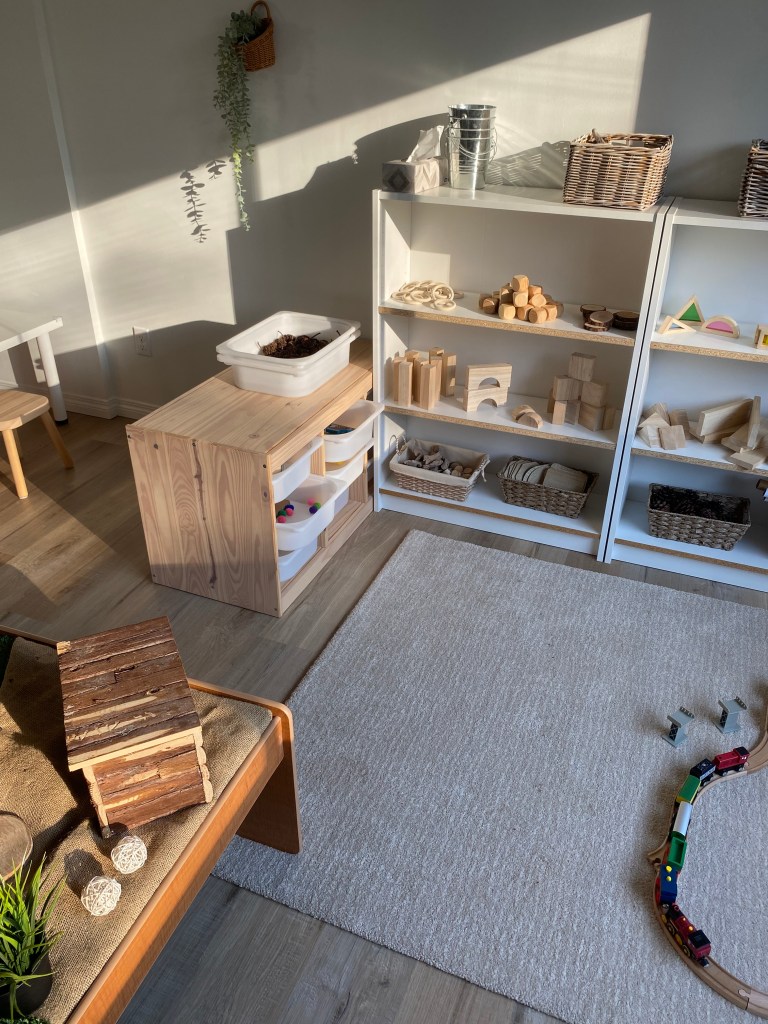
A key idea in Reggio Emilia is that the environment itself is a teacher. Classrooms and outdoor spaces are carefully designed to:
· Inspire creativity and curiosity
· Encourage collaboration and problem-solving
· Offer natural materials and tools for hands-on exploration
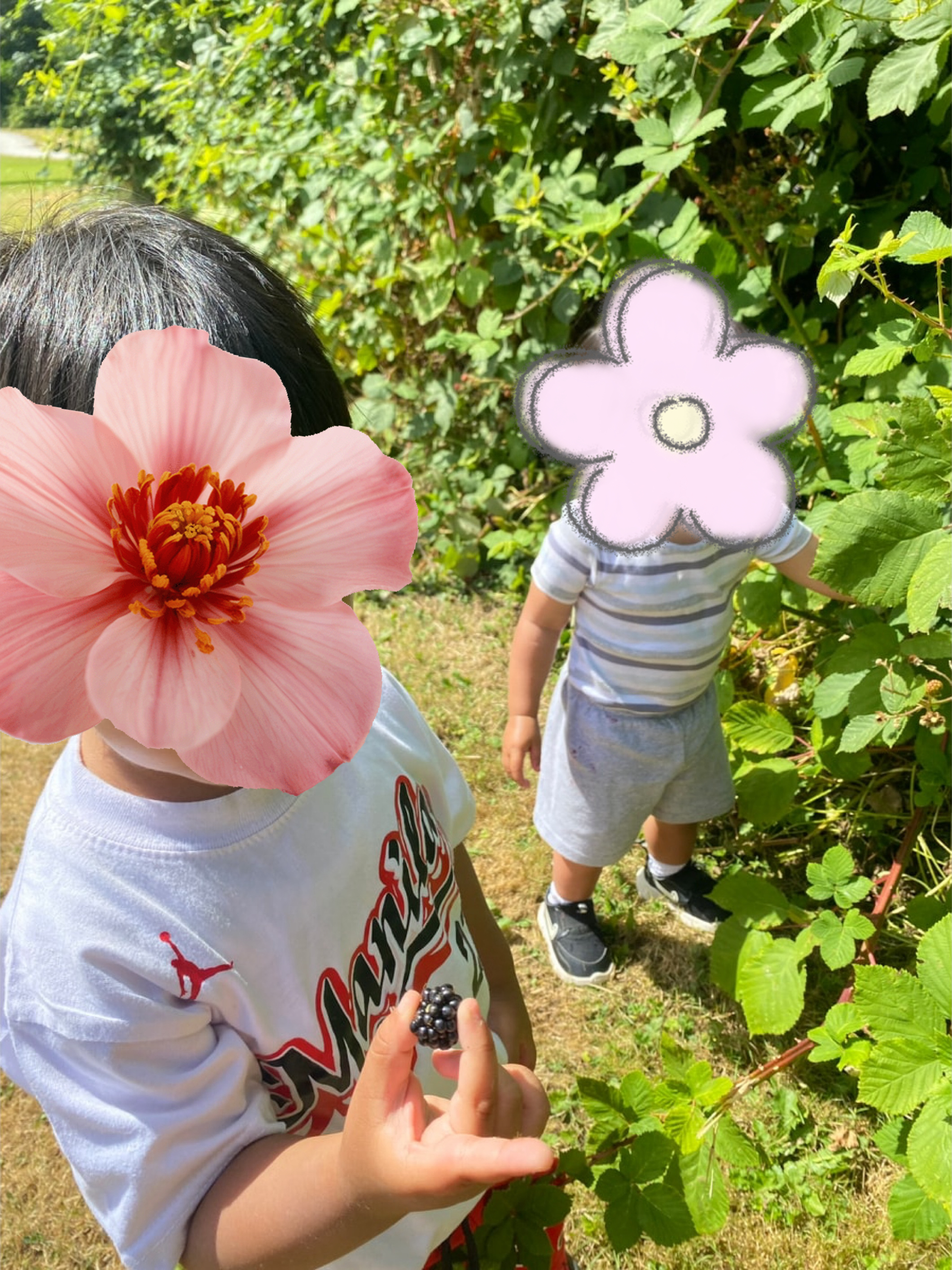
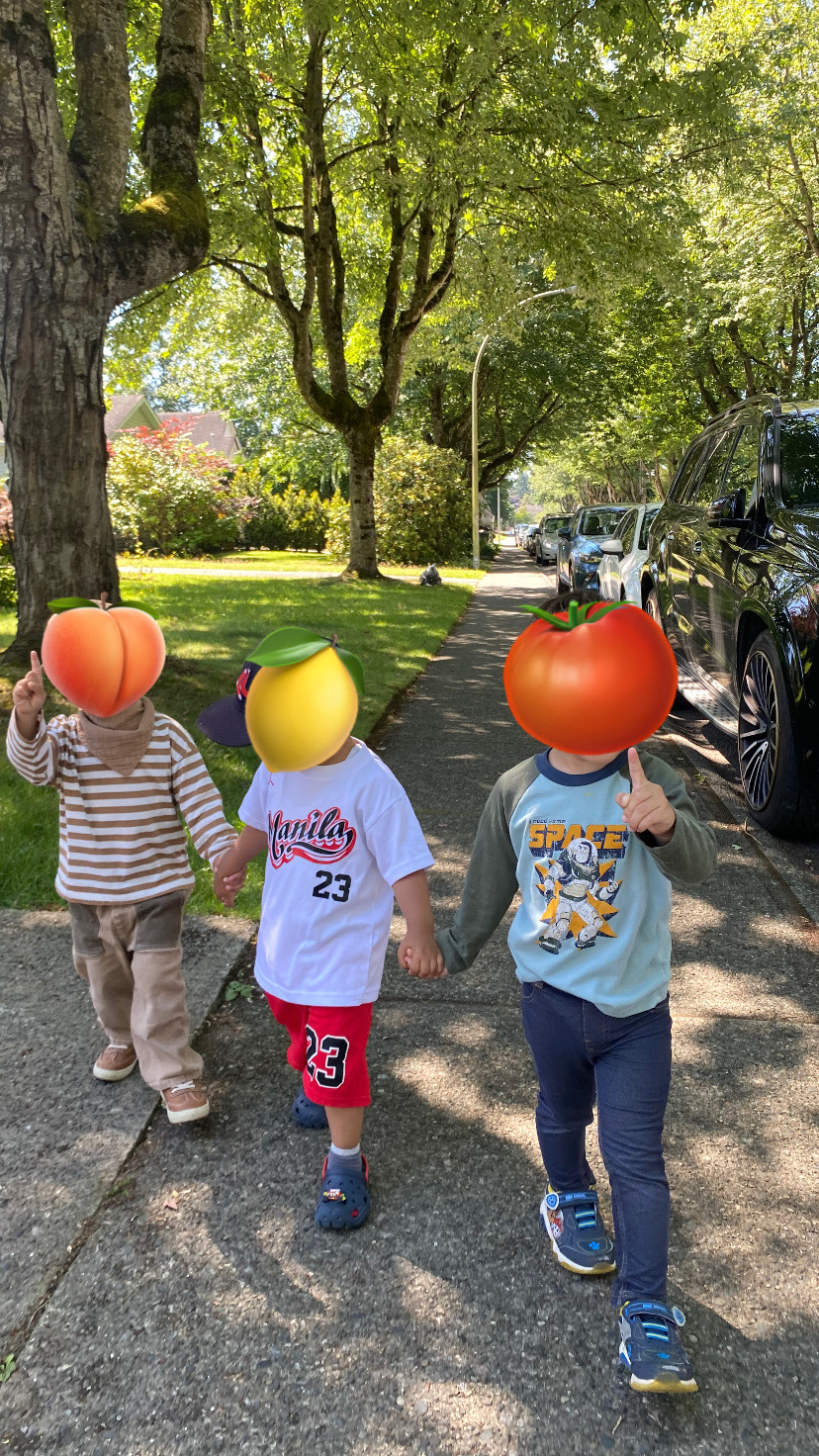
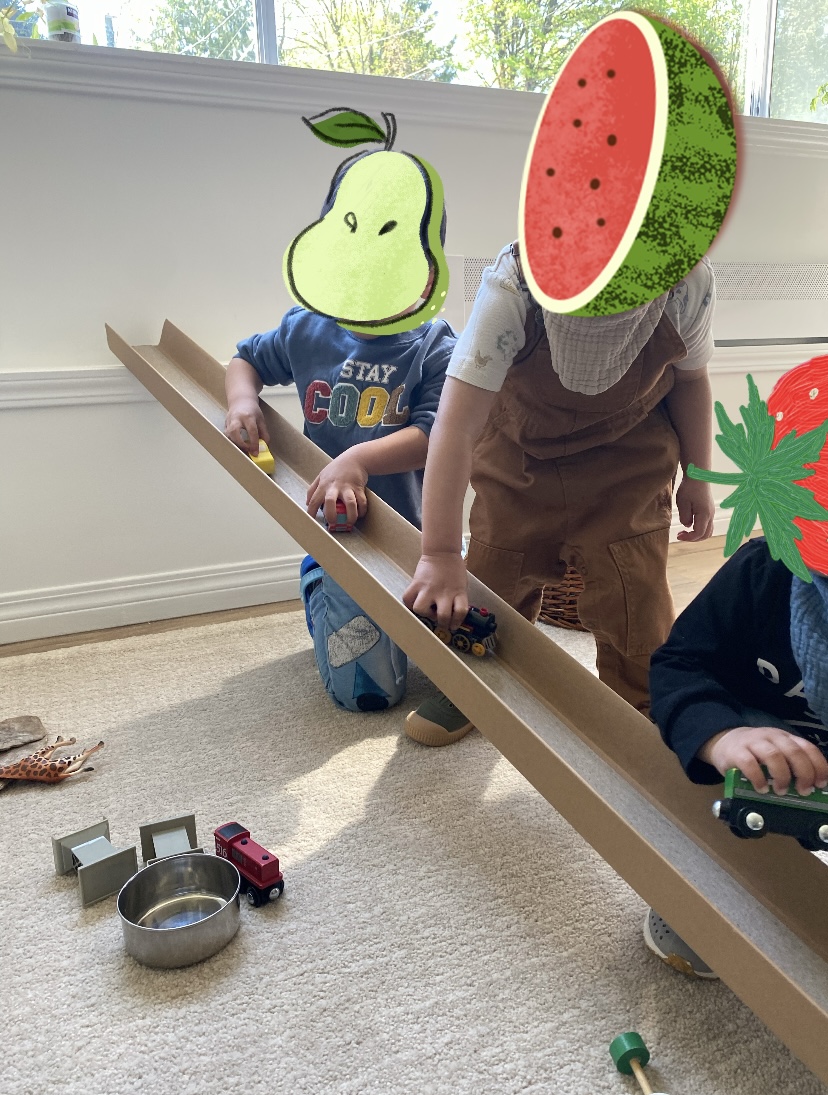
Children learn by interacting with their surroundings, peers, and materials, turning everyday moments into meaningful learning experiences.
The Reggio Emilia Approach
Why Parents Love It
· Fosters independence and confidence
· Nurtures creativity and critical thinking
· Children learn how to think, not what to think
· Each child is truly seen and valued
· Builds strong social, emotional, and communication skills
· Turns play into meaningful learning
· A love for learning is nurtured early
· Home and school feel connected
The Key Principles of Reggio Emilia
It’s a philosophy, not a strict curriculum
Reggio Emilia isn’t a checklist or a boxed program. There are no worksheets or preset lesson plans. Learning evolves based on children’s interests, observations, and questions.
There isn’t always a “finished product”
Parents may not always see a take-home craft. The focus is on the process: the thinking, experimenting, and problem-solving, rather than the final result.
Educators plan intentionally, even when learning looks spontaneous
While play appears open-ended, educators are constantly observing, documenting, and planning next steps to deepen learning.
Children revisit ideas again and again
Learning is cumulative. Children return to familiar experiences, adding new ideas, skills, and understanding each time.
All children learn differently – and that’s valued
There’s no “right way” to explore or learn. Children are respected as individuals with unique interests and learning styles.
Families are considered partners
Parents aren’t just observers, they’re part of the learning community. Sharing observations, conversations from home, and reflections helps support children’s learning.
It supports skills far beyond the early years
The Reggio approach builds confidence, creativity, collaboration, and critical thinking. These are skills that benefit children well into school and life.
Reggio Emilia is more than a teaching method.
It’s a philosophy that respects children, values curiosity, and celebrates learning as a collaborative, joyful journey. By following their natural interests and supporting them with thoughtful guidance, we help children reach their full potential, one discovery at a time.
 Peachy Keen Early Learning