“Children use superhero play not to escape reality, but to practice the courage, strength, and empathy they need to live in it.”
— Vivian Gussin Paley
The Spark (Child Interest)
After Halloween, the children were fixated on monsters. Rather than shutting down “scary” play or sticking to a generic holiday craft, we used this as a launching pad to explore fear, empathy, and community.

The Inquiry
We read a variety of monster stories and introduced different mythical creatures from books, folklore, and animated cartoons to show children that monsters don’t always have to be scary—they can be silly, lonely, kind, or friendly.
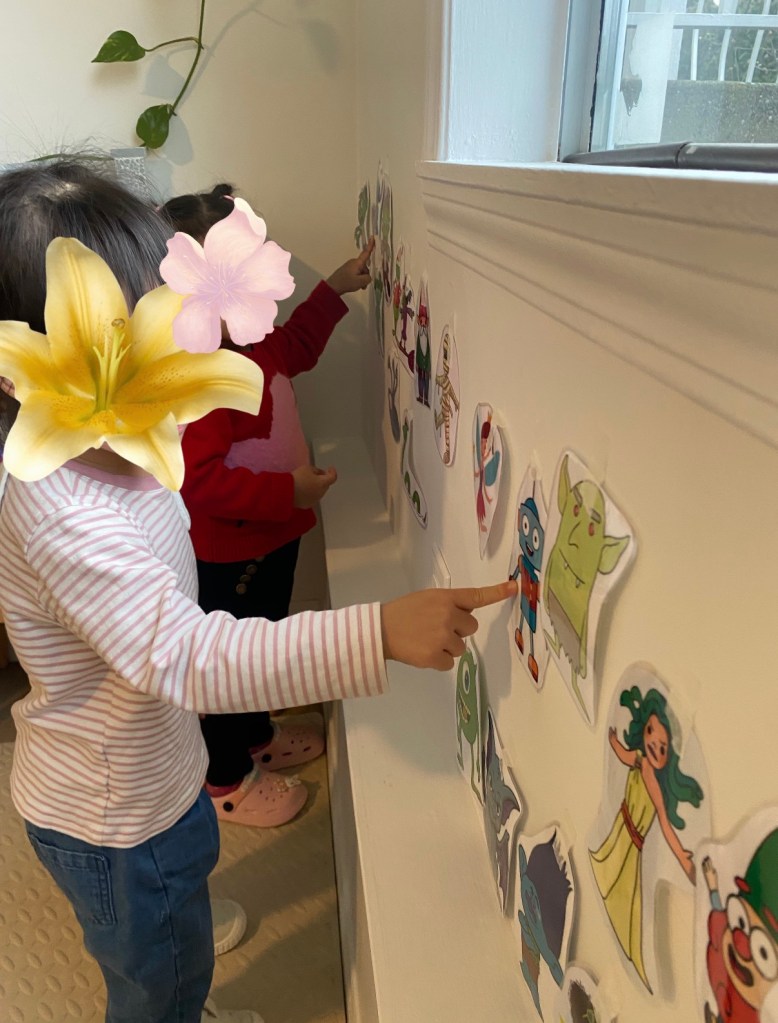
The Hands-On Expression
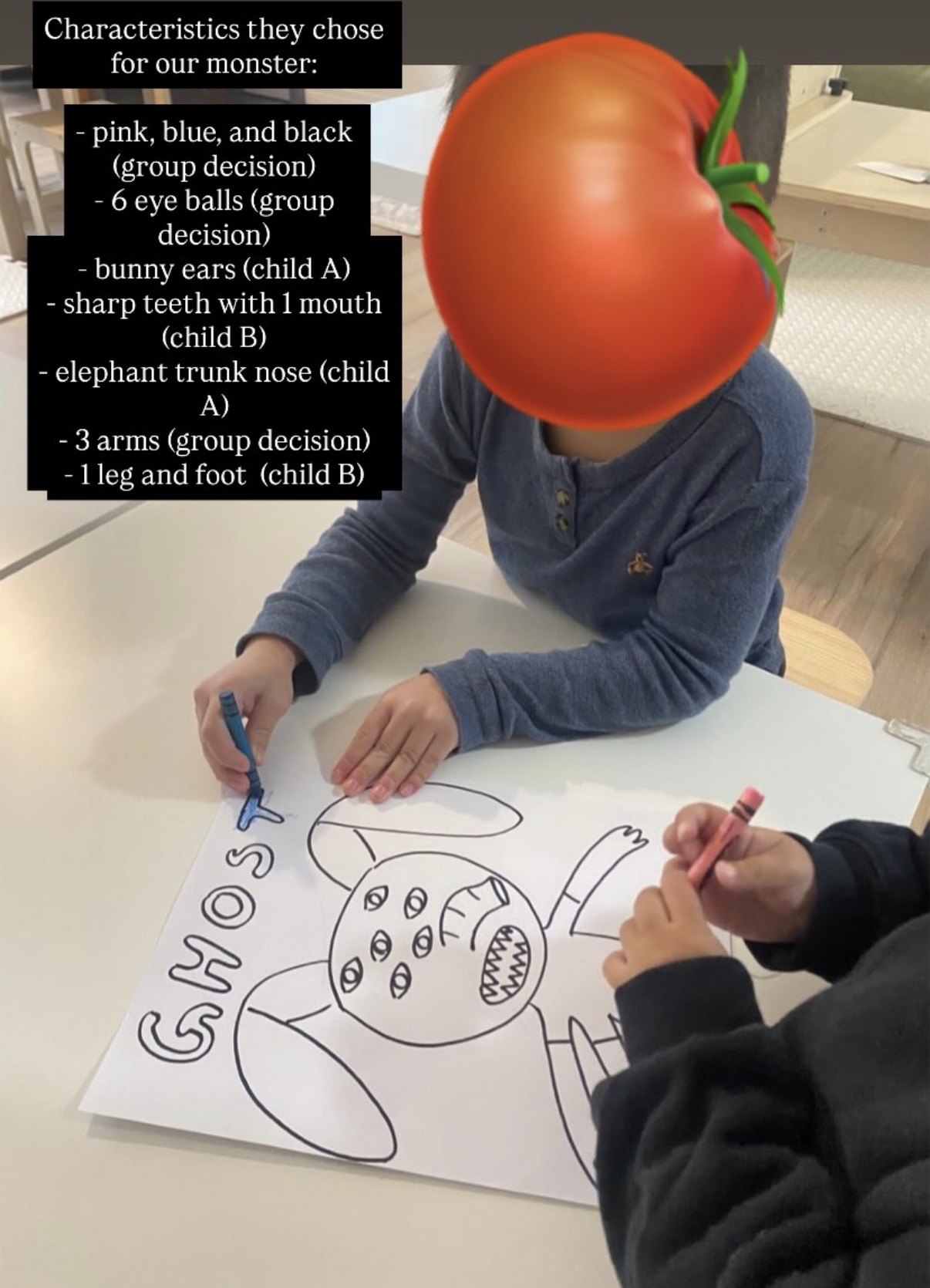
Through group dialogue at circle time, the children shared ideas and designed their own original monster together. They brought their monster to life using open-ended construction materials (cardboard, paint, glue, loose parts).
Snippets of their dialogue..

(Painting the head of their monster)
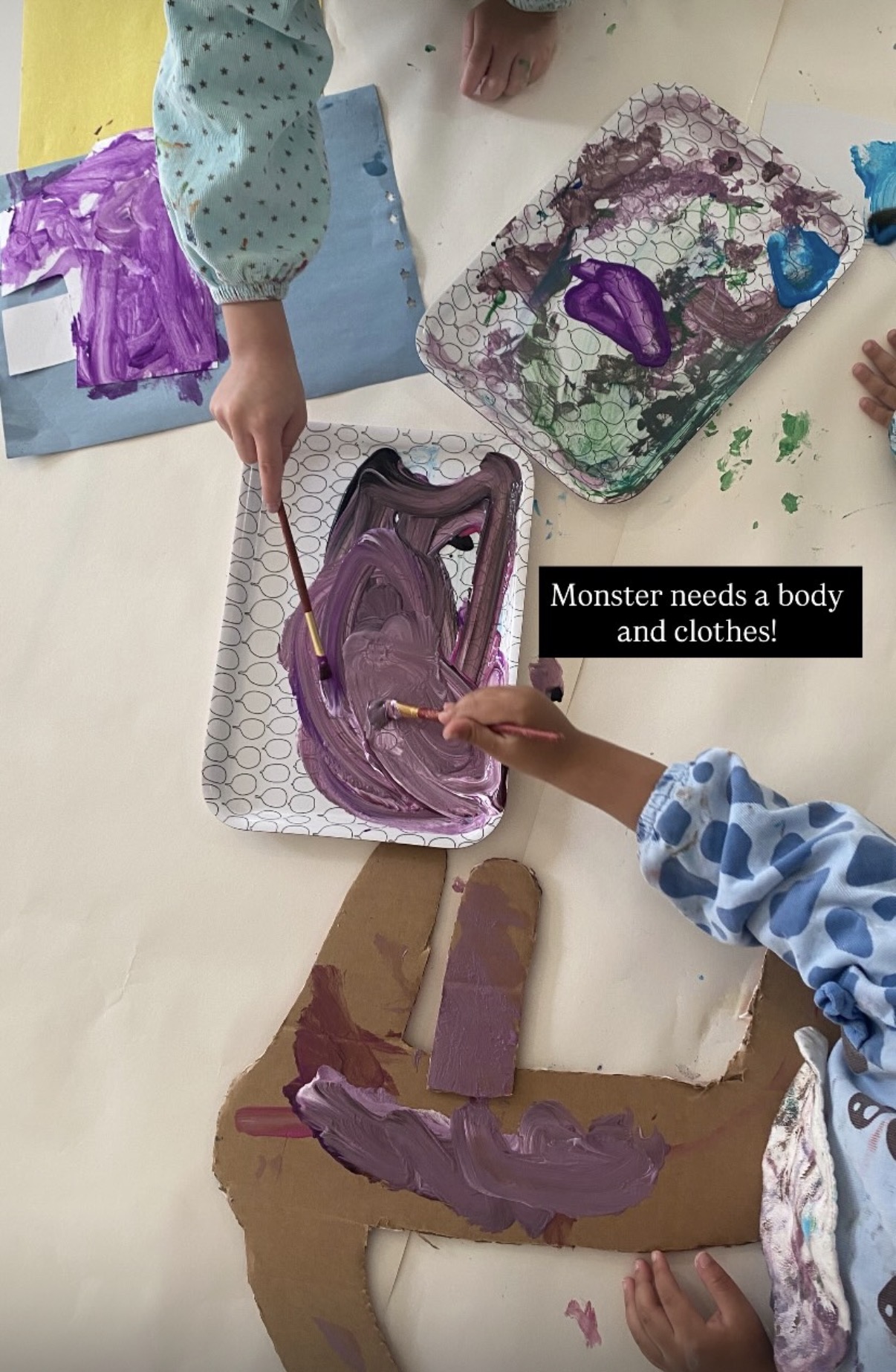
Monster needs a body and clothes!
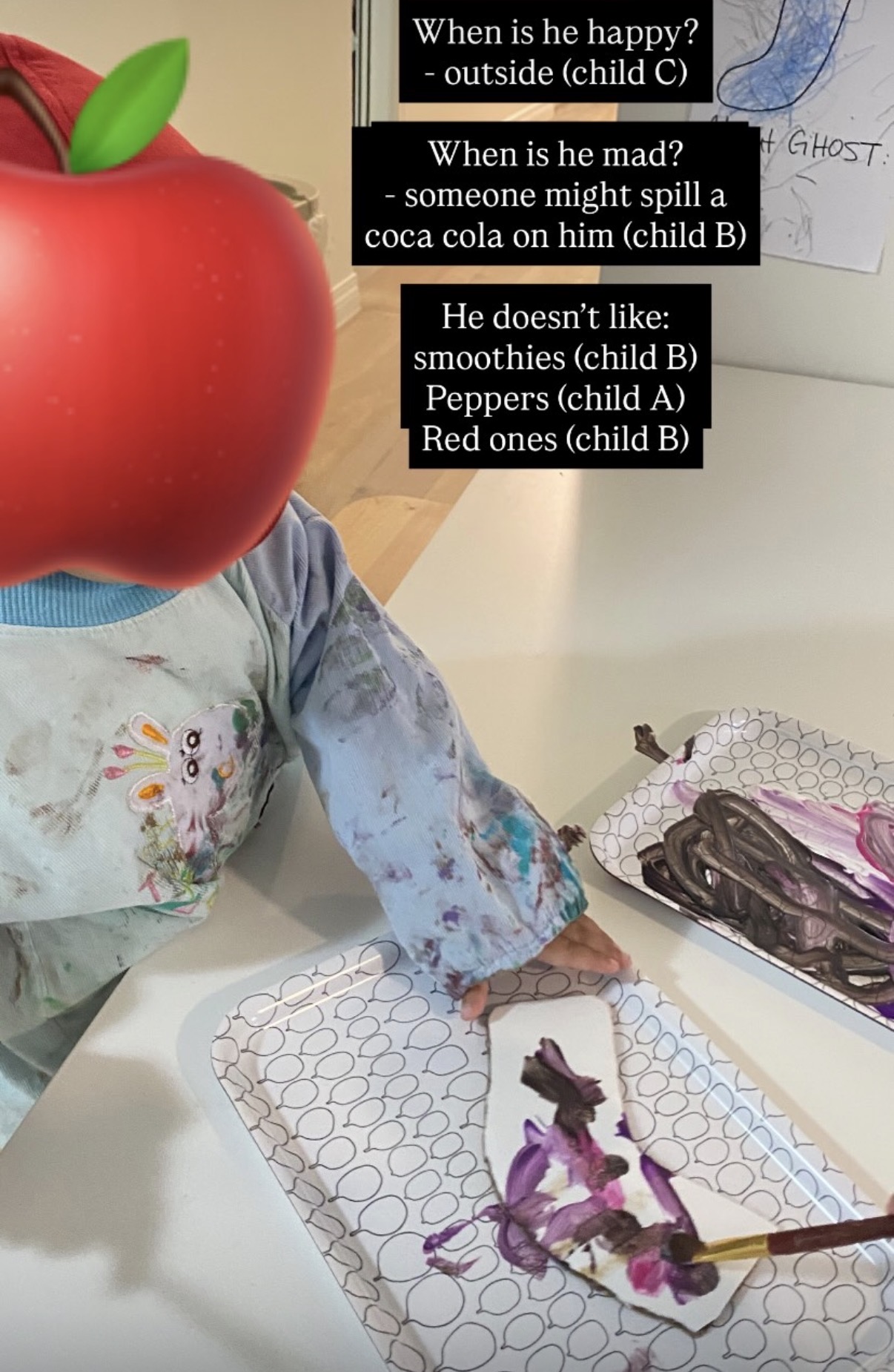
Question: “When is it happy?”
Child C: “Outside!”
Question: “When is it mad?”
Child B: “Someone might spill a Coca Cola on him.”
Question: “What does it not like?”
Child B: “Smoothies”
Child A: “Peppers”
Child B: “Red ones”

Question: “What does monster like to do?”
Child C: “Likes to clean up!”
Child B: “Likes to eat vegetables and play at the playground!”
Child C: “Eat meat.”
Child B: “Play outside.”
Child A: “Play basketball.”
The Shift
The children were asked, “How can we take care of the monsters and teach them when they are not being nice?”
The children decided that superheroes were needed to protect everyone, help the monsters calm down, and teach them how to be gentle and kind.
They designed and built their own superhero gear using cardboard, yarn, fabric, stickers, and tape. Through their discussions, they determined their superheroes especially needed these essentials:
Capes & Masks: For identity, focus, and official superhero power.
Shields: To protect others and keep everyone safe.
A Phone: So they could call for help, communicate, and stay connected.
Defensive “Tools” (Weapons): Specially invented gear used strictly for self-defense, capturing, or calming the monsters down without hurting them.

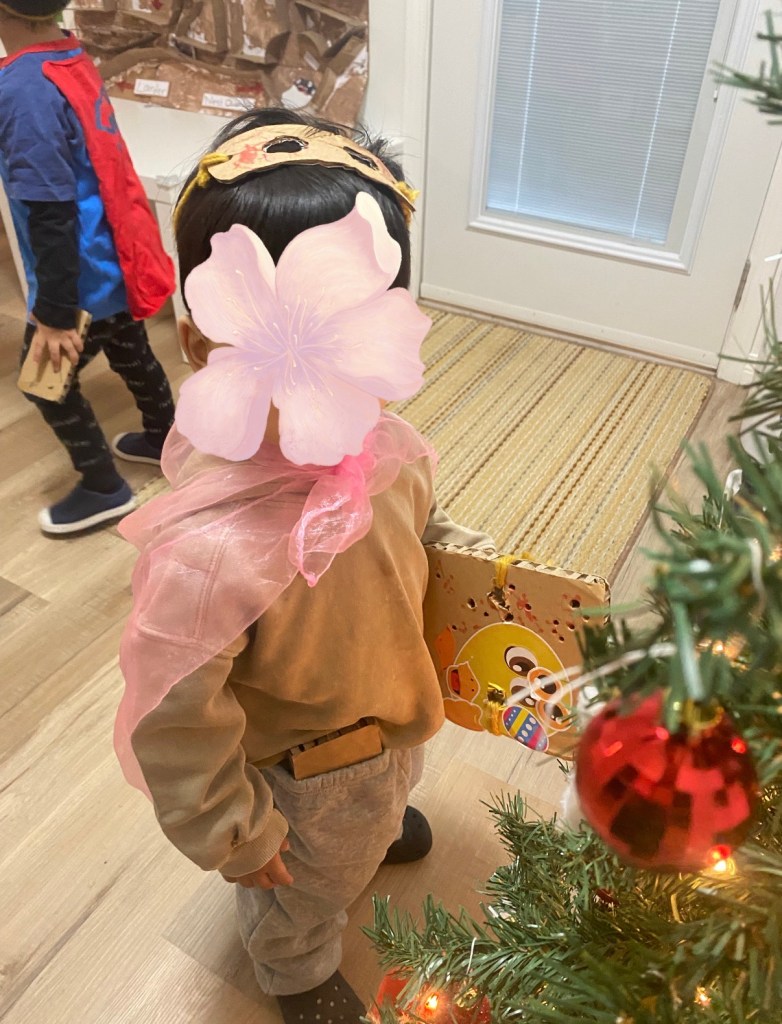
The Morning Routine
Before setting off to teach and care for the monsters, the children recognized that superheroes needed to prepare their bodies. Most mornings began with a child-led Superhero Exercise Routine including: jumping jacks, sit ups, push ups, twirls, squats.

Deepening the Play
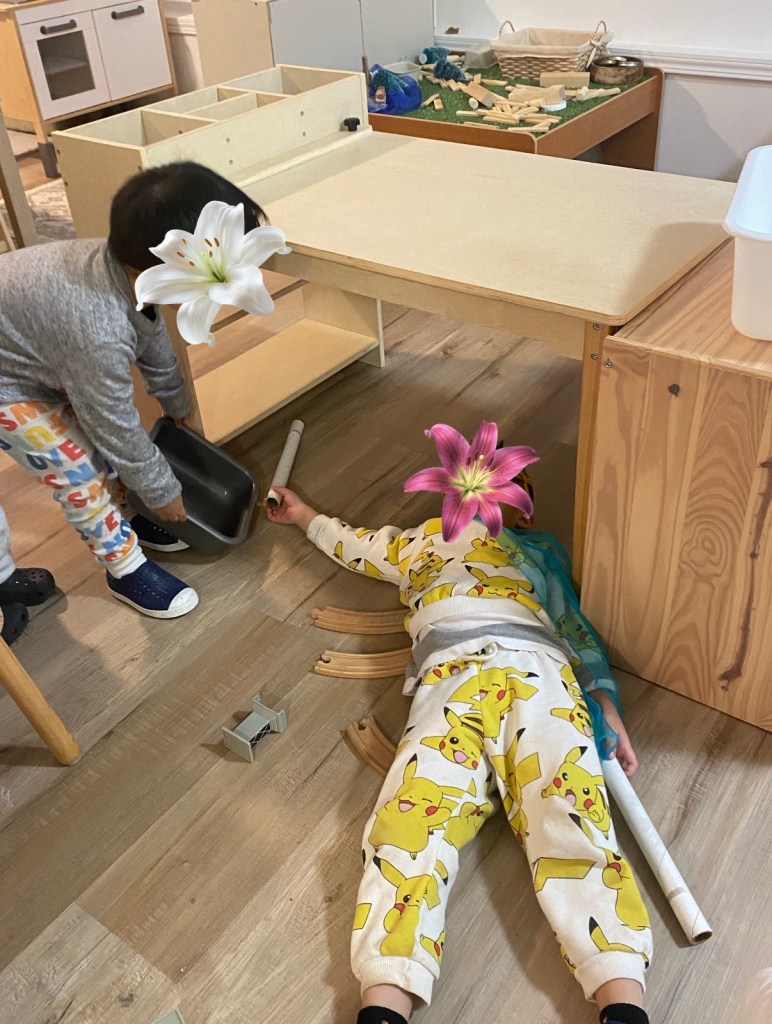
During superhero dramatic play, an unexpected narrative emerged: one child would repeatedly fall to the floor and pretend to “die” or be completely out of power.
Instead of shutting the play down or viewing it as morbid, we observed how the group responded. The children immediately stepped into problem-solving mode, experimenting with different symbolic objects to “revive” their fallen teammate.
Trial & Substitution: Children experimented with various loose parts and props, trying to find a way to “revive” their teammate.
The Solution: The children decided they needed to travel to a “sink” to collect “salt water,” which successfully restored the hero to full health.
Monsters in The Drain
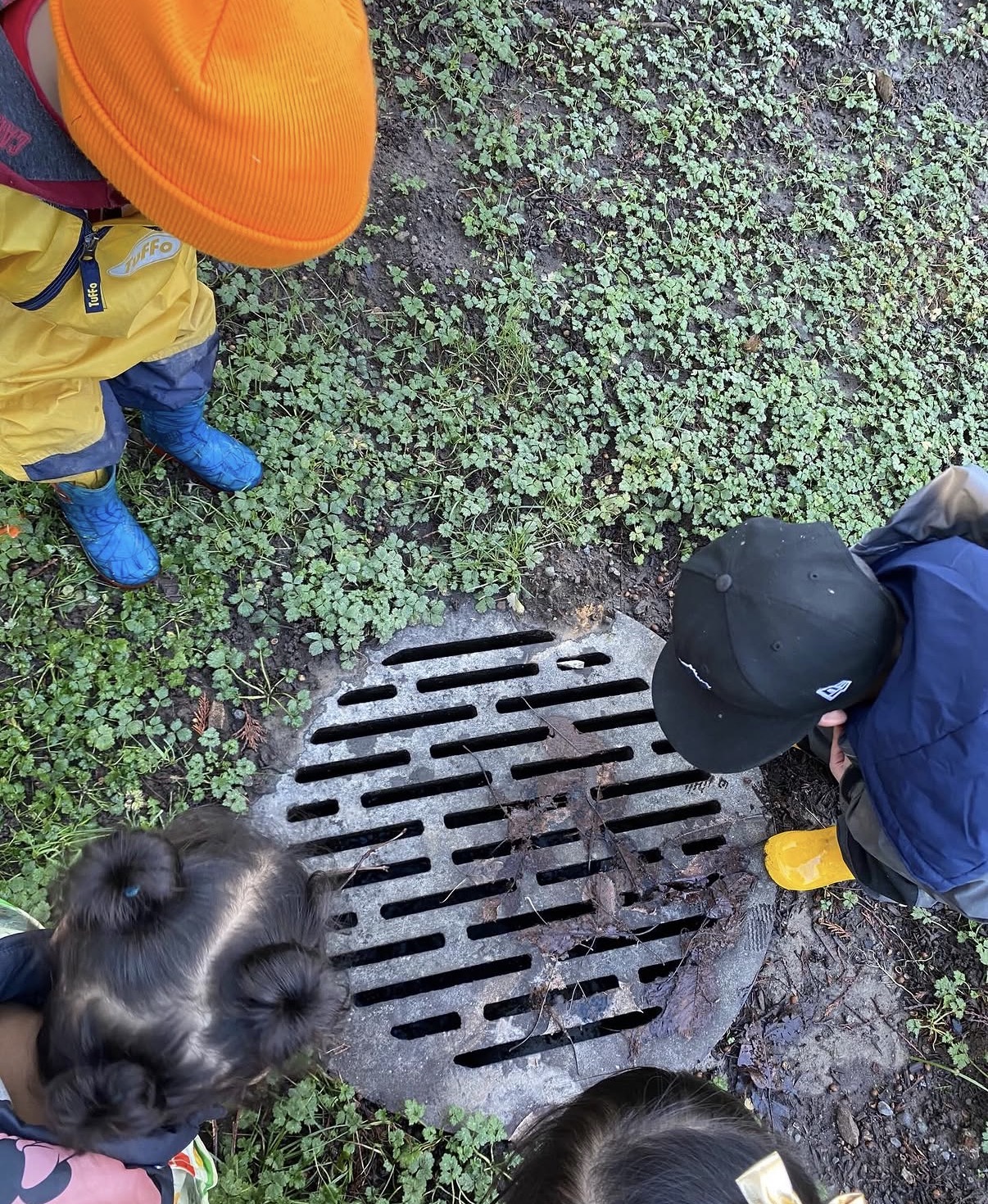
On crisp autumn afternoons, the children would set off on grand adventures to the neighborhood park, their boots crunching through damp, fallen leaves. Yet, their favorite part of the journey was always passing by the heavy iron drains we would see throughout. With the seasonal rainfall filling the underground channels below, the children would press close to the cold steel grates, instantly switching into silent observation mode. They hovered there, listening intent to the dark, echoing sloshes and deep gurgles rising from the depths. To their vivid imaginations, the murky, rushing water was absolute proof: terrifying, splashing monsters had taken up residence right beneath the street.
The Literary Anchor
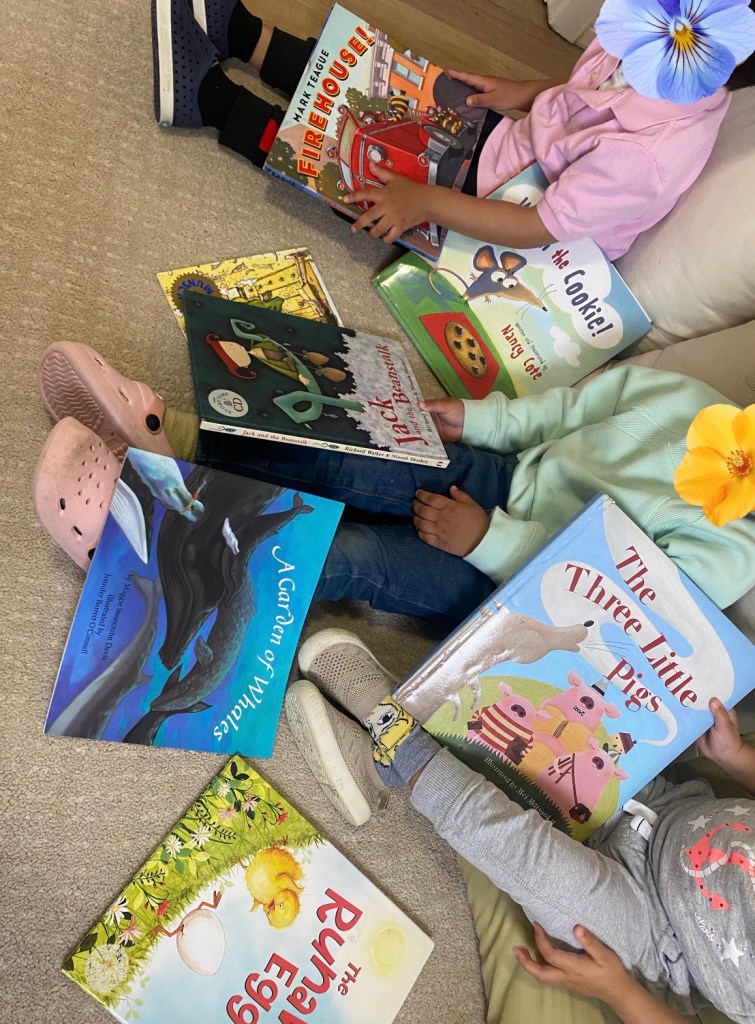
Over several months, we continuously anchored our project in rich children’s literature. Reading stories featuring a wide variety of heroes allowed us to challenge traditional stereotypes and broaden the children’s understanding of strength, bravery, and community care.
Deconstructing Myths & Villains: Books like The Paper Bag Princess and Jack and the Beanstalk helped children explore how appearances can be deceiving—showing that traditional “monsters” or “giants” aren’t always evil, and non-traditional characters can save the day through wit and bravery.
Exploring Classic Motifs: Stories like The Three Little Pigs allowed children to examine themes of perseverance, engineering, protection, and problem-solving under pressure.
Connecting Fantasy to Reality: Reading stories about other heroes whether it be non-fictional or fictional characters, bridged the gap between fictional superhero play and real-world empathy.
Guiding the Play
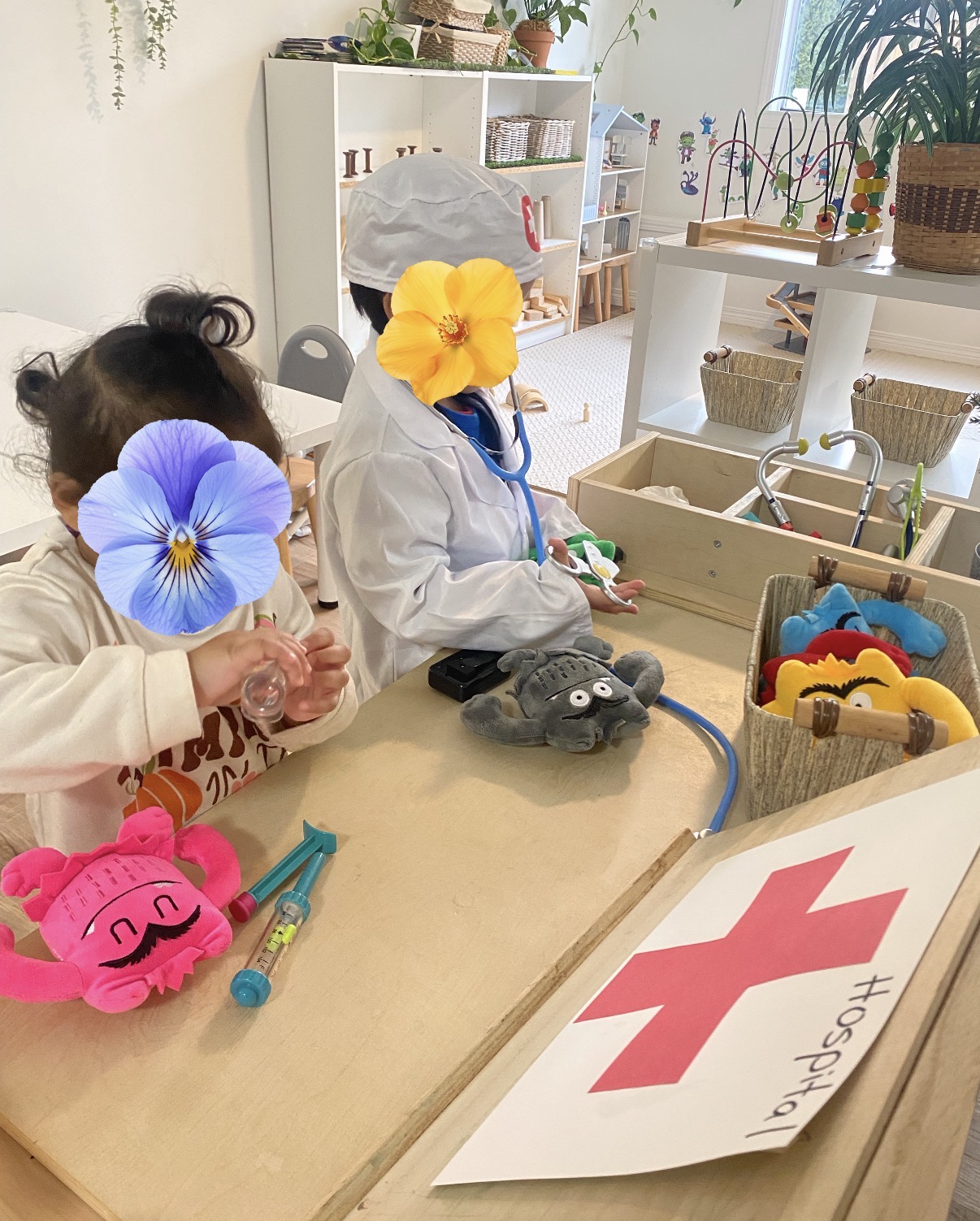
When superhero play turned into physical “fighting,” we pivoted the inquiry: “Where do we see real, everyday heroes around us?”
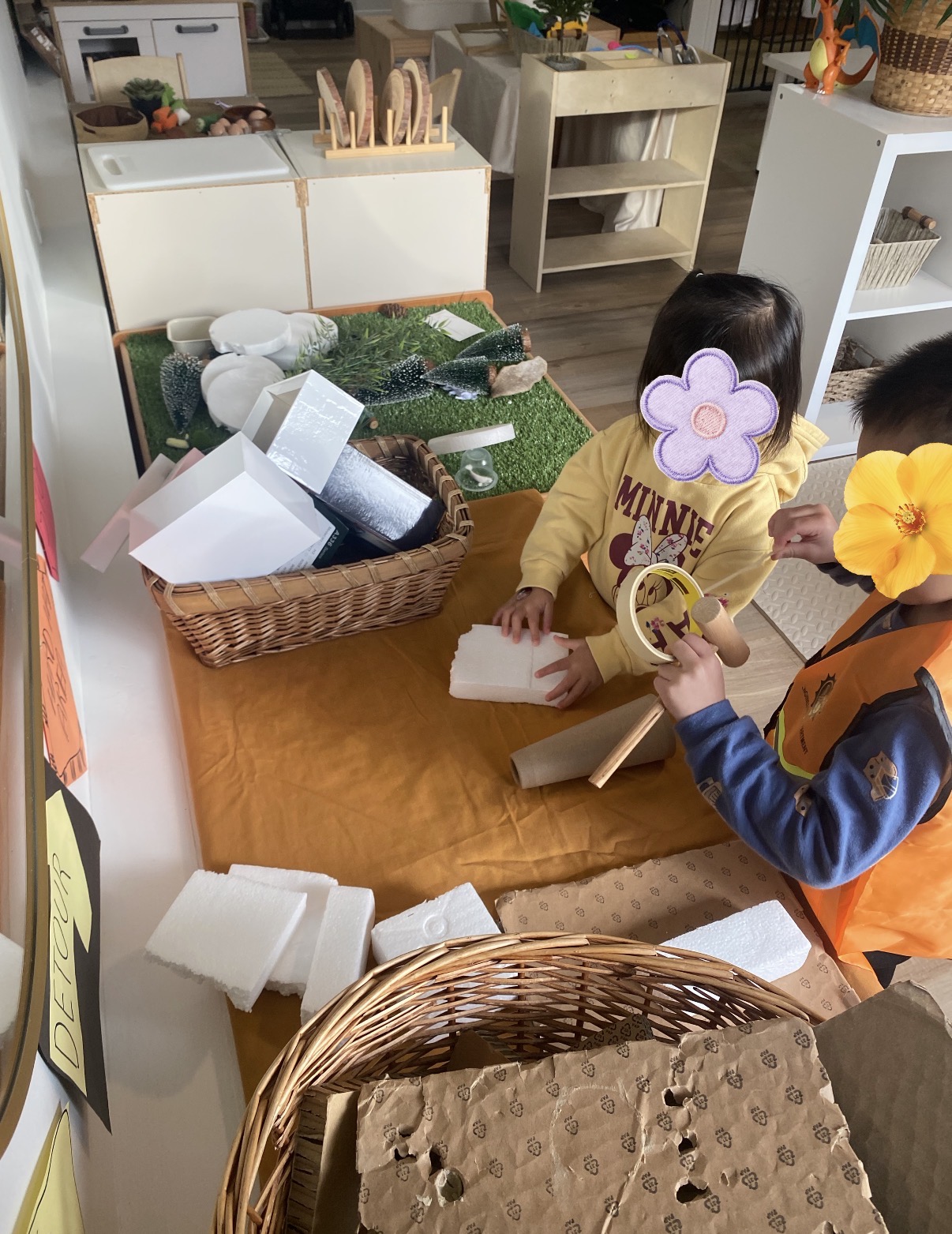
We expanded into exploring doctors, firefighters, chefs, and builders and updated our classroom with various community helper props to enhance their dramatic play.


The Real-World Outcome
Over the months, the learning moved beyond circle time and dramatic play into the children’s everyday interactions. We watched as the concept of “being a hero” translated into genuine, spontaneous acts of care and community among the children.
Noticing & Responding: Children began actively looking out for one another—picking up a friend’s hat when it fell off or rushing over to help someone up after a tumble on the playground.
Prosocial Sharing: Without adult prompting, children noticed when a peer didn’t have a item or toy and offered to share theirs.
Peer Support: On the playground and in the classroom, the children stepped into the role of everyday heroes, offering hands, comfort, and physical support whenever a classmate needed help.
The Takeaway
This is the ultimate goal of emergent curriculum. By exploring themes of care, protection, and helping through stories and play, the children internalize empathy. Being a “hero” was no longer just about wearing a cape—it became a lived daily practice of kindness.
Love always,
our dear friends at PK ❤︎

