“Each water activity builds on the last, helping children connect what they’ve learned and discover new skills, step by step.”
Our program follows a child-led, cumulative curriculum where children’s interests guide our learning. By observing what captures their curiosity, we build meaningful experiences that grow and connect over time. We support this learning by extending ideas, encouraging exploration, and creating opportunities for children to think, problem-solve, and discover through play.
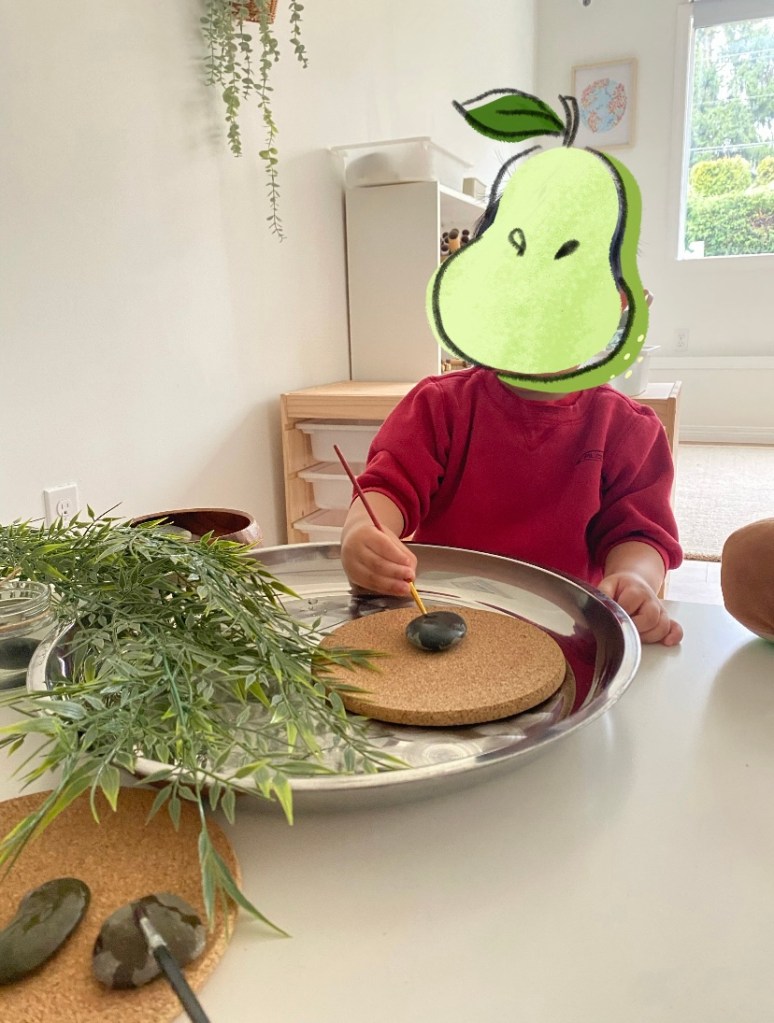
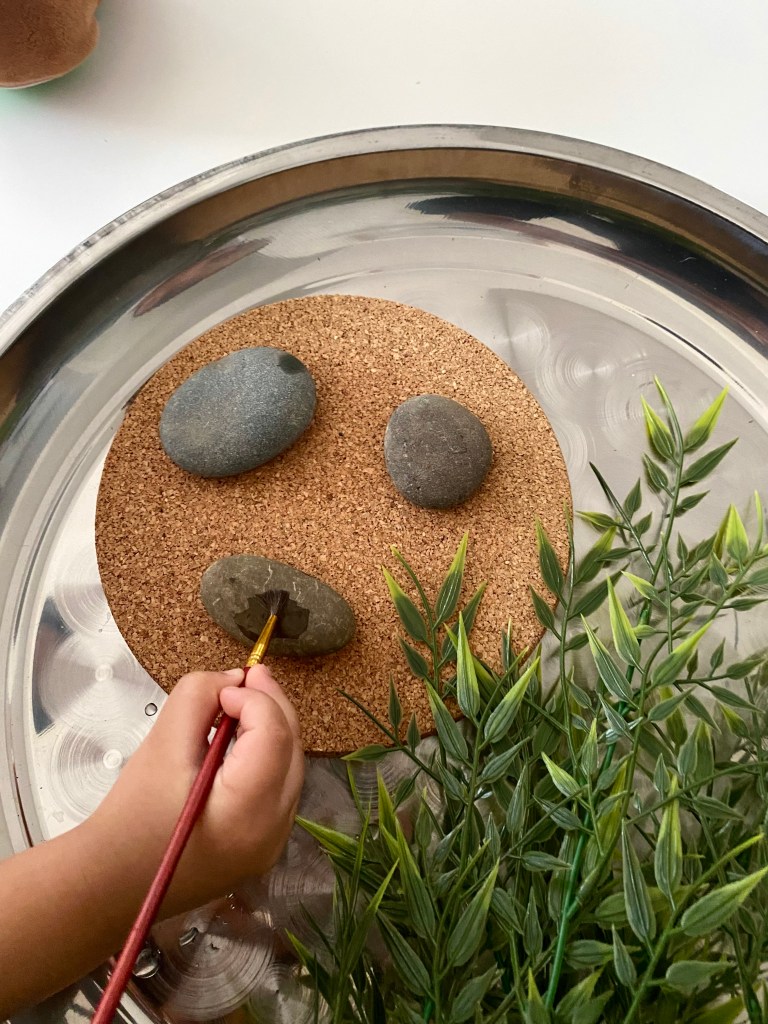
-Rock Painting Exploration-
Children were invited to paint on dark rocks using paintbrushes and jars of water. While some focused on designs, many were captivated by the sensory qualities of water: pouring, touching, and observing how rocks changed when wet.
This interest helped us identify water as a meaningful learning tool, supporting sensory exploration, curiosity, and early problem-solving through hands-on play.
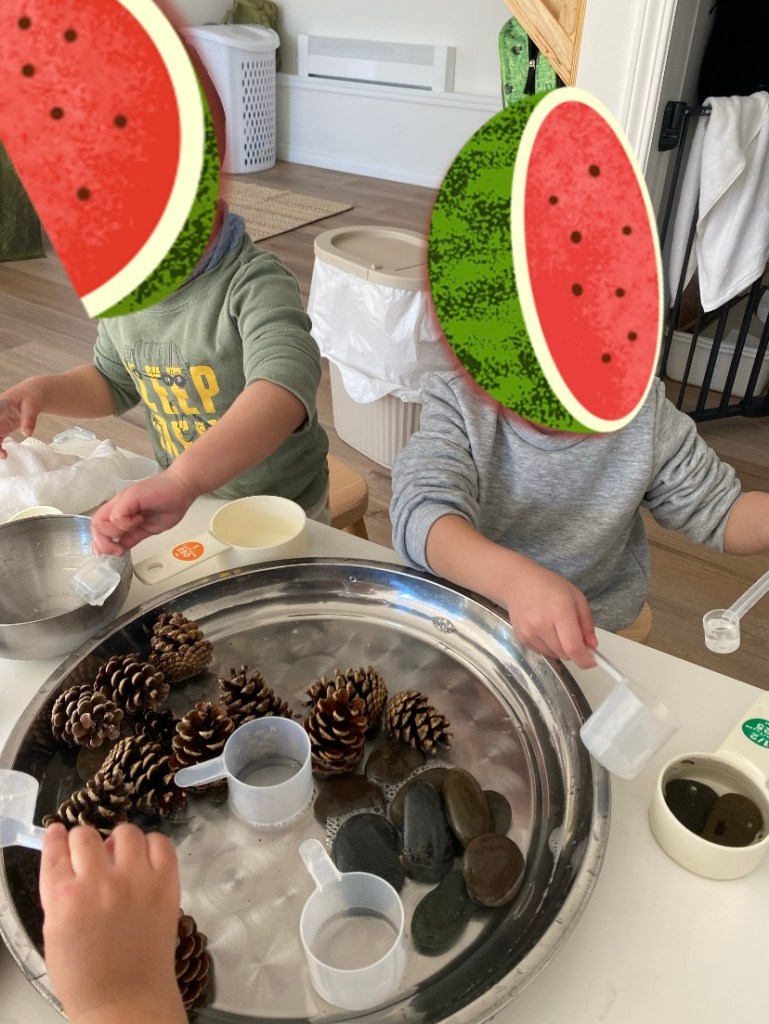
–Exploring Water With Loose Materials–
As new materials such as pinecones, small and large scoops, bowls, and rocks were introduced, children explored through hands-on, sensory play. At this age, children enjoyed filling and emptying bowls, scooping and pouring water, and placing objects in and out of containers. They tested how different materials felt in the water, noticed how the water would rise or sink when placing or taking objects out, and repeated actions to observe results.
This play supported fine motor development, early problem-solving, and curiosity as children explored water through movement and experimentation.
-Discovering Ice with Watercolours-
The children explored ice, a new form of water, using paintbrushes, watercolours, and plain sheets of paper. They observed how the ice felt cold, how it slowly melted, and how it could move and blend colours across the paper. Some gently tapped the ice while others watched it drip and spread.
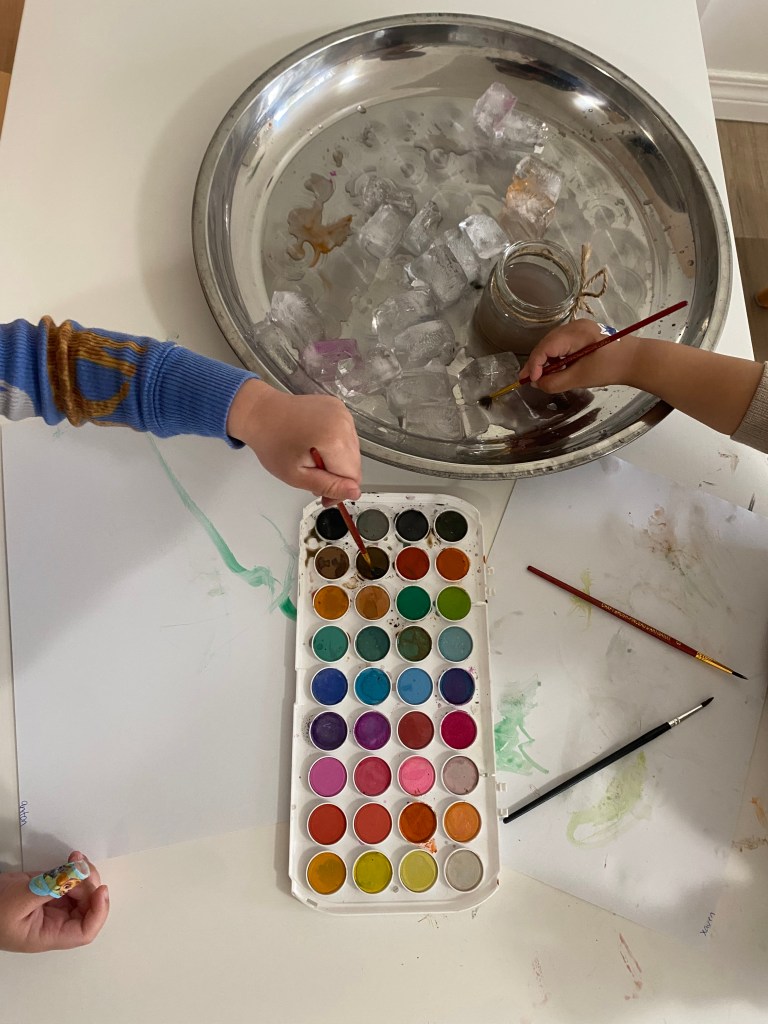
Through these moments of curiosity and experimentation, children discovered how water can transform, learning about cause-and-effect, patience, and the magic of change.
-Water and Sand Exploration-
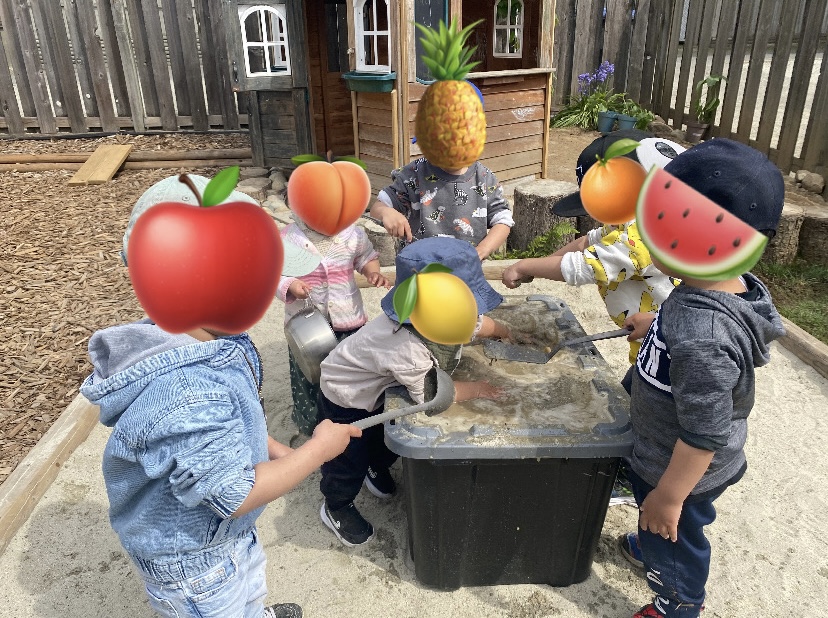
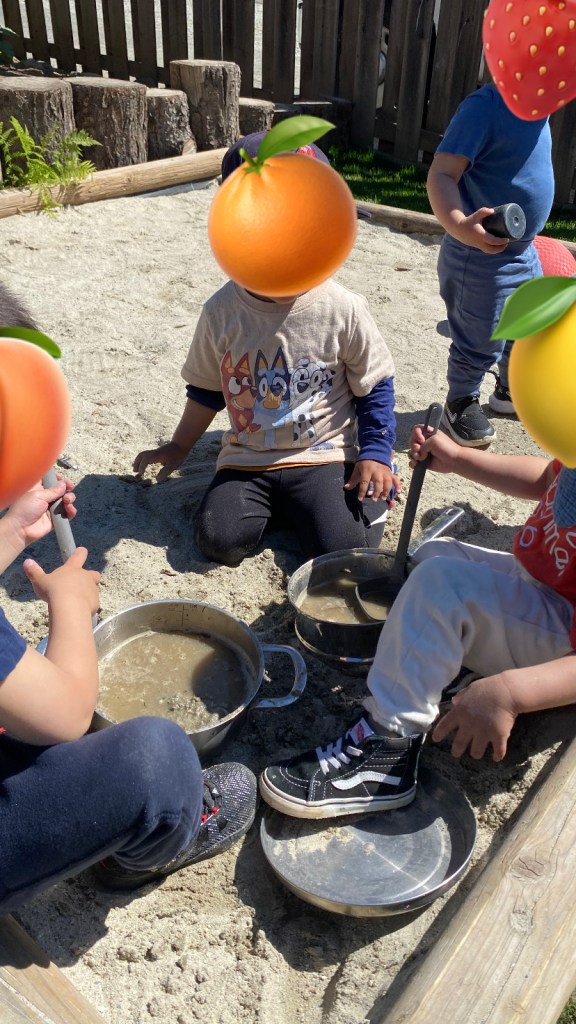
For several months, the children repeatedly chose to play with water outside, often gravitating toward the sandbox to mix it with sand. They noticed that when water was poured onto the sand, it seemed to “disappear,” sparking curiosity and prompting further experimentation.
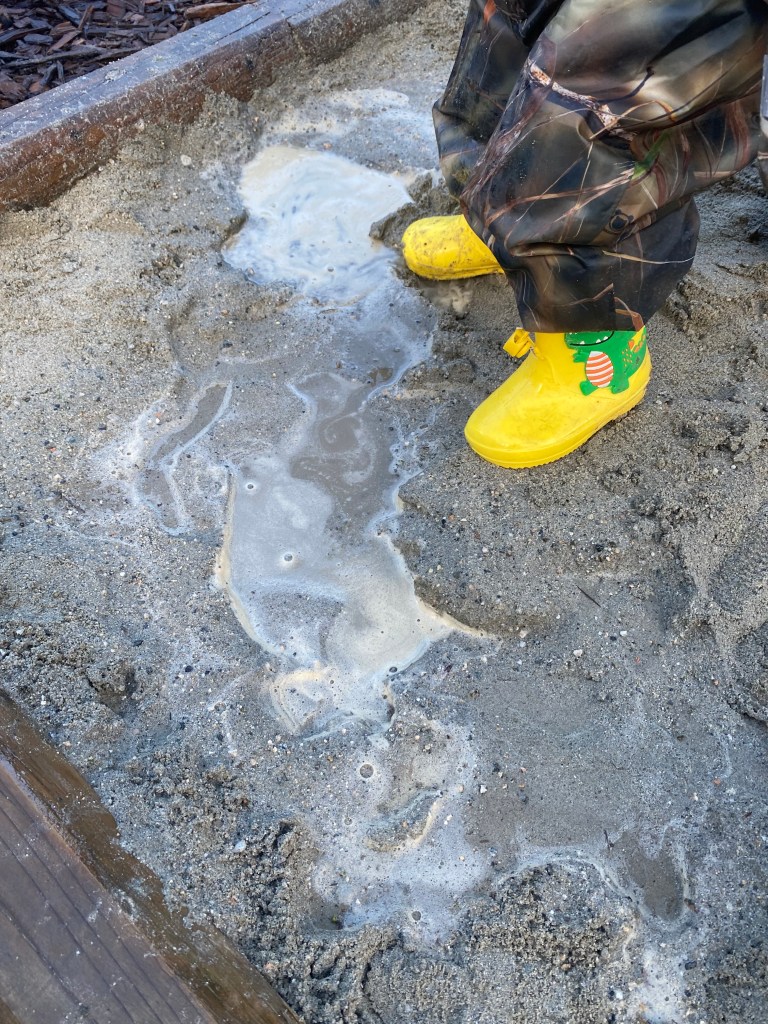
They also noticed the wet sand became heavier and harder to scoop. The children worked together, sharing tools, taking turns, and experimenting as a team.
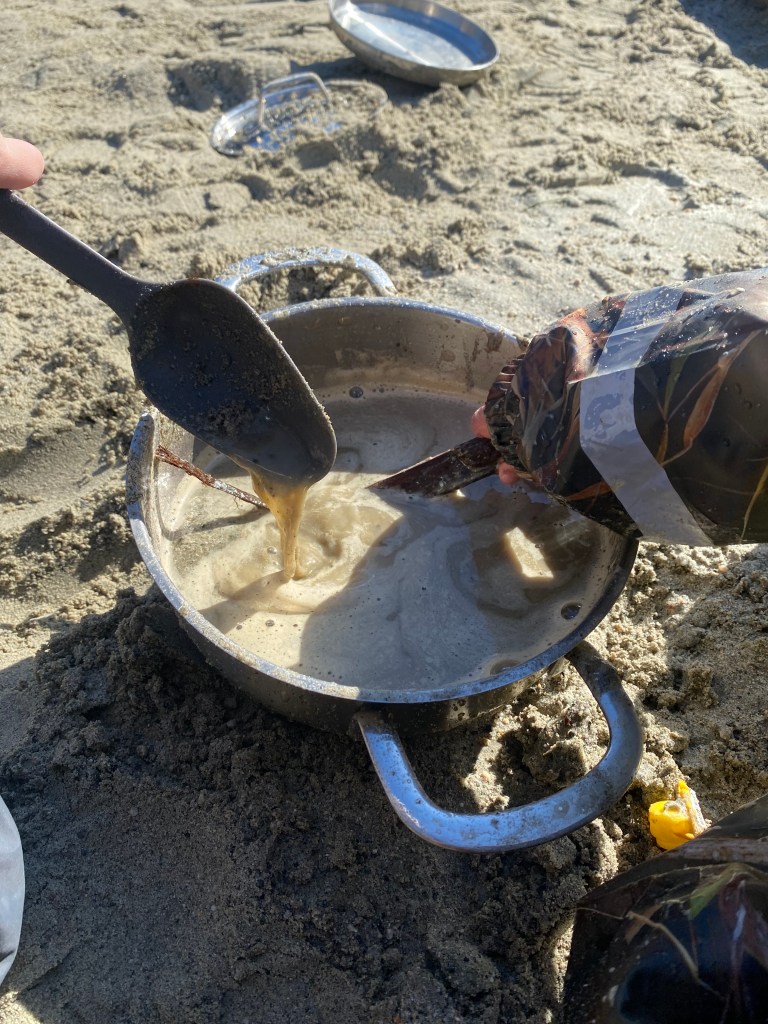
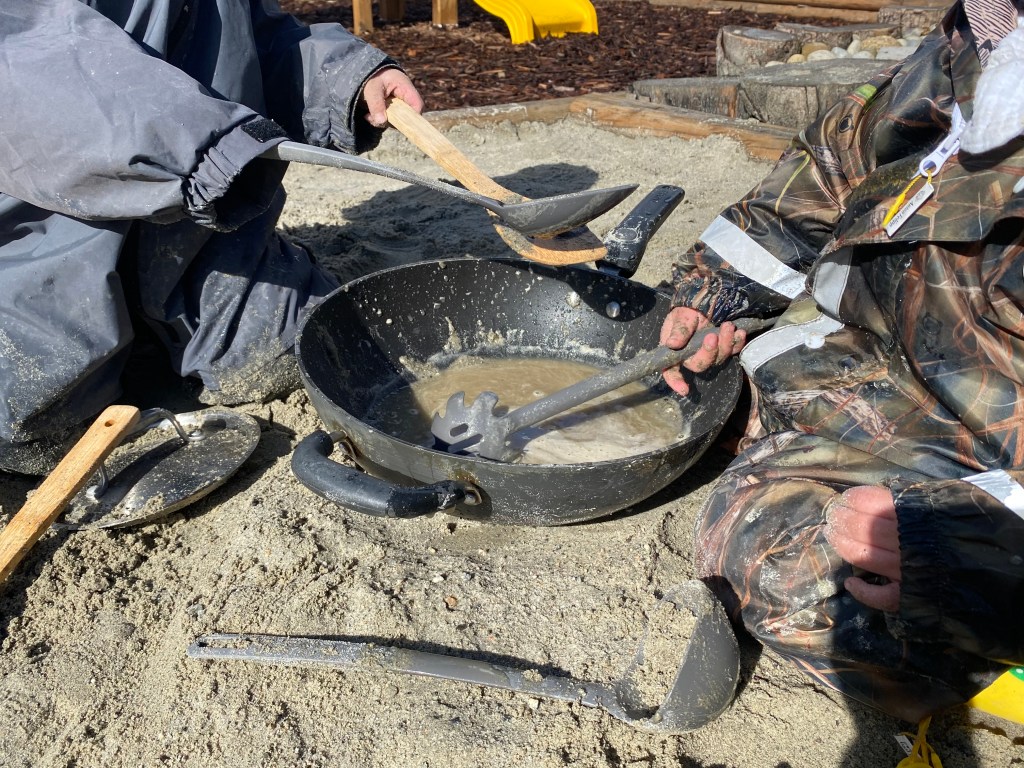
Many children spent their entire outdoor playtime focused on feeling and engaging with the water and sand on their hands, noticing the texture and temperature.
This play supported problem-solving, early scientific thinking, sensory exploration, and social learning, as children collaborated and celebrated their discoveries.
-Exploring Water, Colour, and Materials-
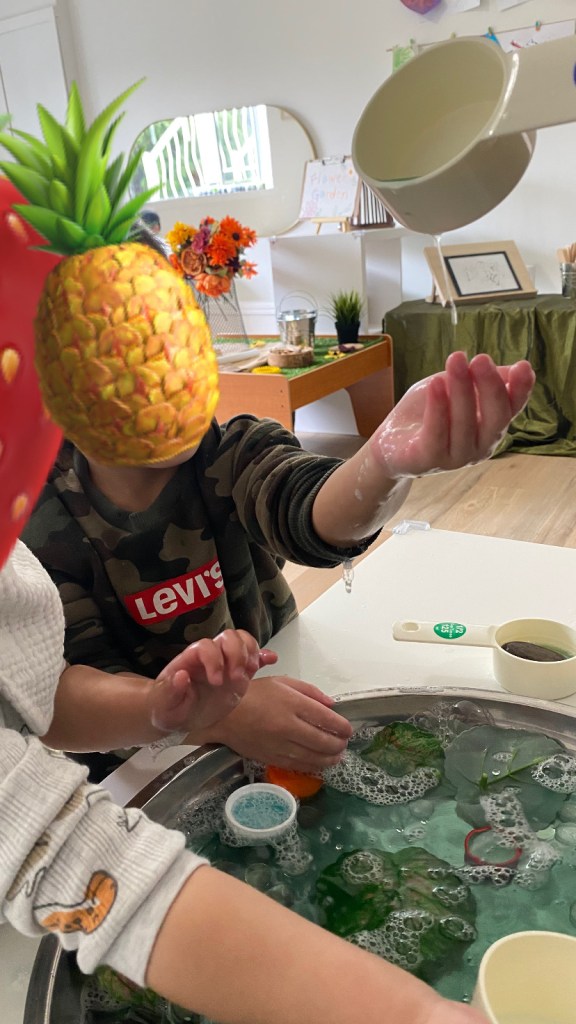
Bowls of water combined with blue food colouring and soap were provided, along with leaves, small glass beads, bottle caps, and scoops. The water, beads, and soap invited scooping, pouring, and transferring, while beads and caps floated or sank and bubbles formed as the soap mixed in. Many explored swirling, mixing, and observing the changes, delighting in the sensory and visual effects.
This hands-on play encouraged fine motor skills, early scientific thinking, creativity, and social collaboration, as ideas were tested, tools shared, and discoveries celebrated together.
-Cleaning “Dirty Animals”-
Cocoa powder was used to make toy animals and lids “dirty,” and children were provided with water, soap, and sponges to explore cleaning them. Their initial reactions of “Ew, so dirty!” quickly turned into curiosity and experimentation. Some children focused on the animals, while others expanded their play, choosing other toys that “needed a clean.”
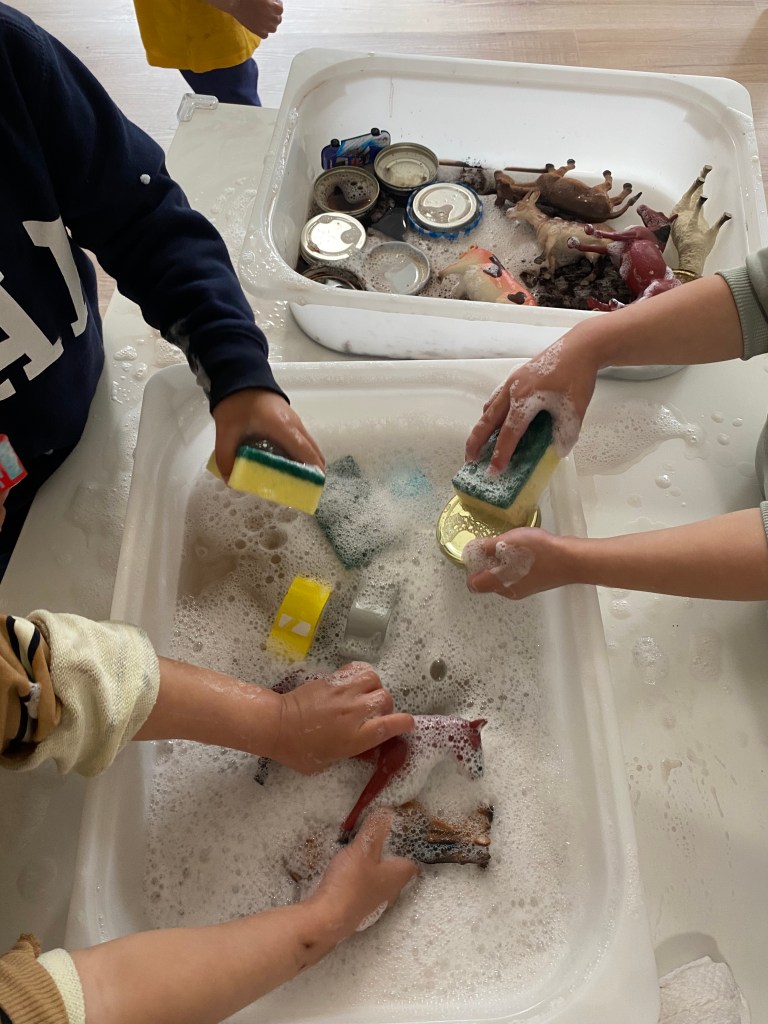
Using gentle scrubbing motions and observing the results, they developed fine motor skills, cause-and-effect understanding, and problem-solving, while engaging in imaginative and social play. Towels were provided at the end to dry the materials, completing the process and reinforcing care and responsibility for objects.
-Exploring Sink and Float-
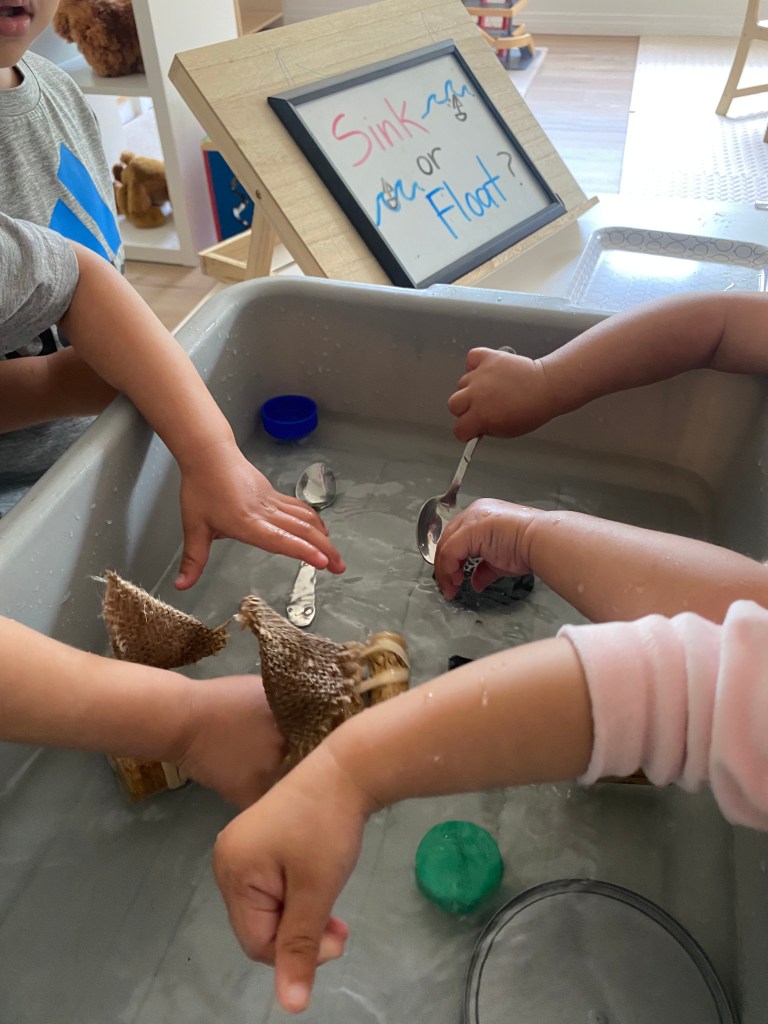
A large container of water was set up with a sign reading “Sink or Float”, and a variety of objects were provided for experimentation, including metal spoons, plastic bottle caps, cork boats, rocks, and lids of different sizes. Children explored which items sank or floated, making predictions, testing them, and observing the results. Some noticed patterns such as, heavier items tended to sink and lighter ones floated. Others experimented with tilting or balancing objects to see what would happen.
This activity encouraged early scientific thinking, observation skills, problem-solving, and curiosity, as well as opportunities for collaboration as children shared objects and compared their results.
-Magic Colour Experiment-
Children were given paper circles with designs made using felt markers, along with cotton swabs and soap. Carefully placing soap in the center of the paper, they then lowered the circles into shallow plates of water and watched as the colours spread outward in orderly patterns.
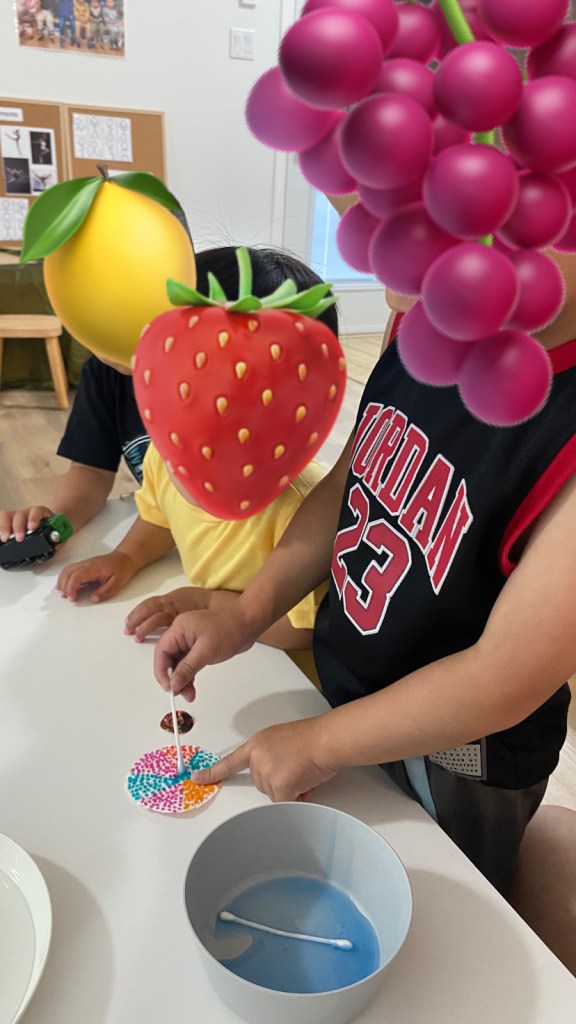
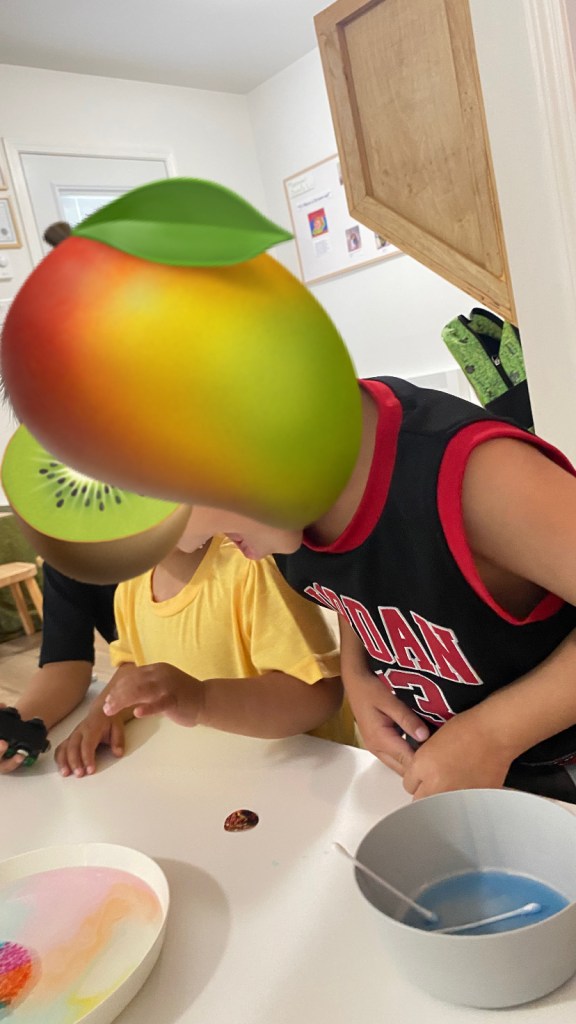
his activity captured children’s attention, encouraging patience, focus, and careful observation, while introducing early scientific concepts such as cause-and-effect, surface tension, and diffusion. The hands-on experiment also fostered creativity, curiosity, and excitement for discovery.
-Creating a Water Wall-
The water wall provided a grand finale to our water exploration journey. We set up a water wall outside to provide a large-scale exploration of flow and gravity. Using funnels, tubes, and containers to allow water to flow from one level to the next. This invited children to experiment with pouring, directing, and observing the movement of water, while noticing how it traveled through different pathways. Some tested how much water was needed to make the pinwheels spin or fill certain containers, and many collaborated to adjust and share the setup.
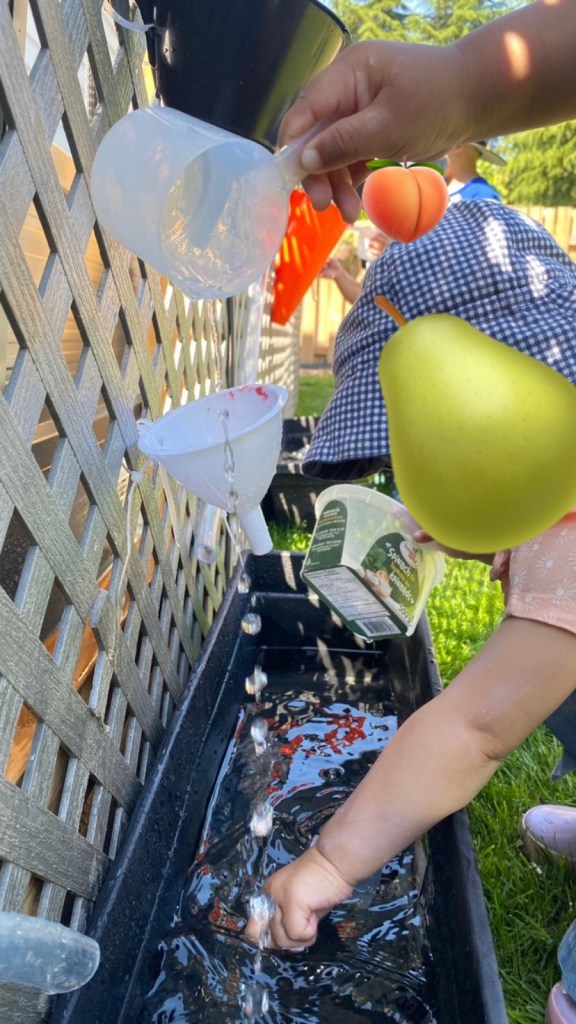
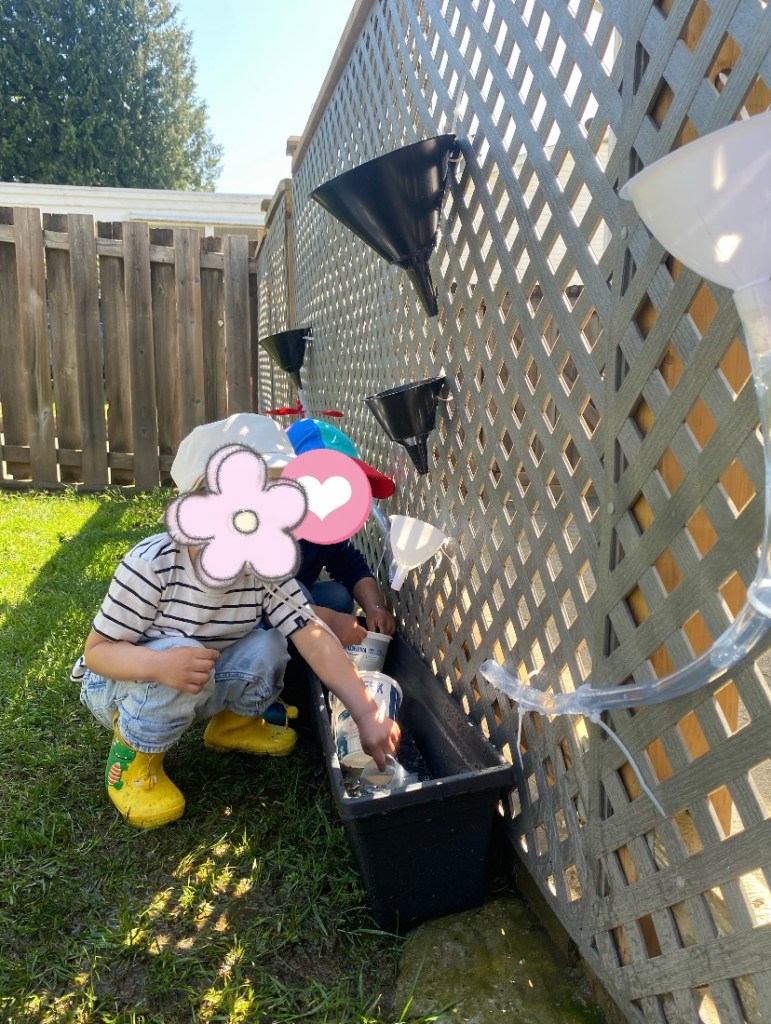
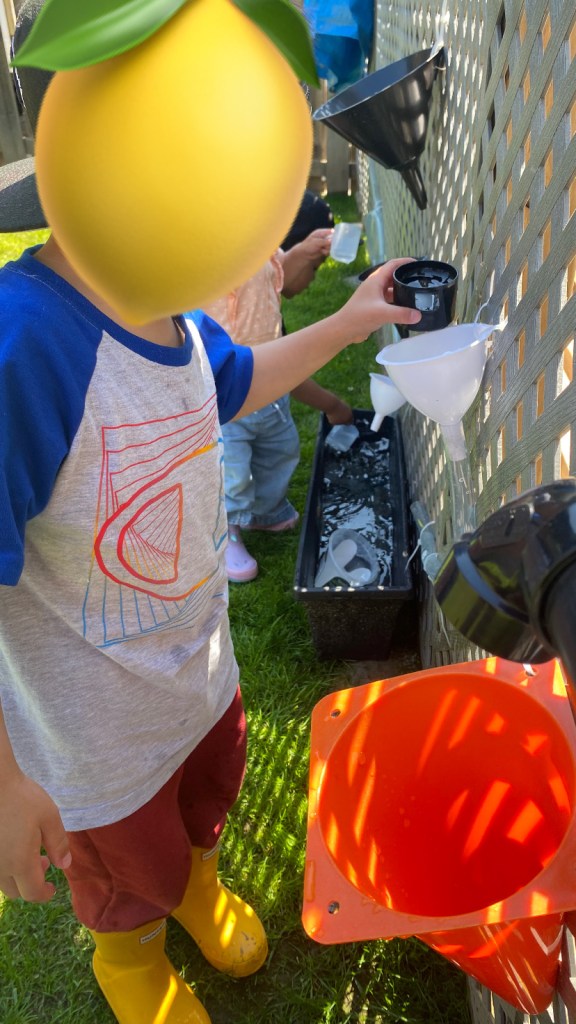
At times, a hose was introduced, and the children were fascinated by the force and movement of water under pressure. They experimented with directing the stream, noticing how it could move objects, splash, and change direction.
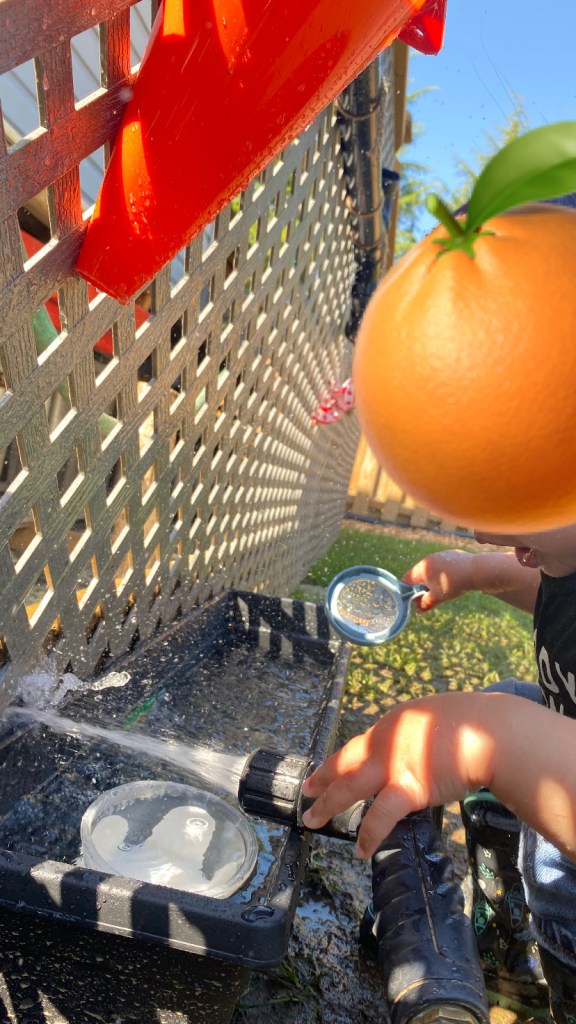
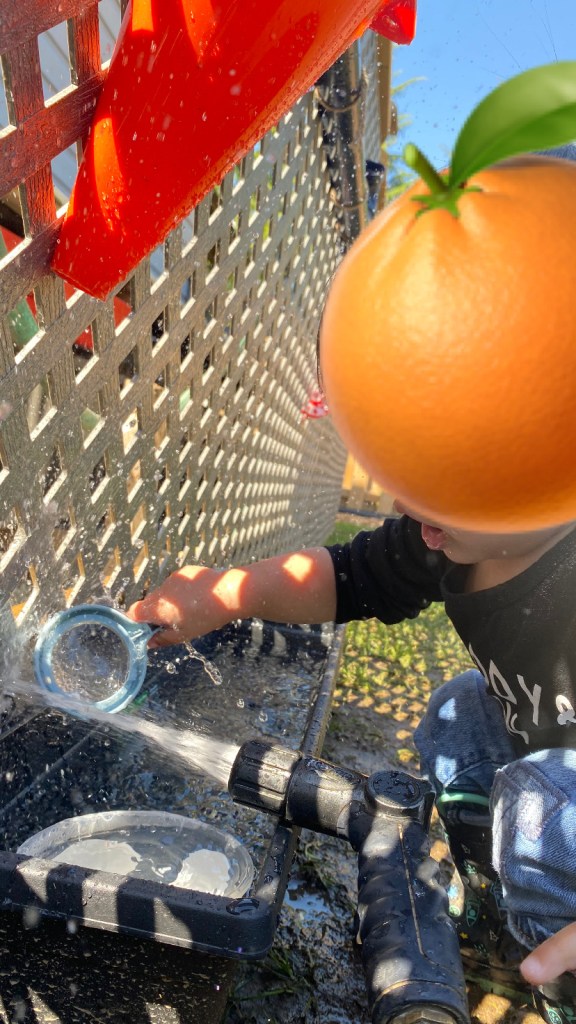
Through this hands-on play, children developed problem-solving skills, early scientific thinking, coordination, and social collaboration, while engaging in sensory exploration and showcasing the depth of their curiosity, problem-solving, and culminating a rich series of water-based discoveries.
Language Development Through Water Play
Throughout all their water experiences: rock painting and ice exploration to sand play, coloured water, and the water wall, the children have had rich opportunities to develop language skills. They describe what they see, ask questions, make predictions, and explain their actions to peers or educators.
Even the littlest learners, who may have limited spoken language, actively listen to older children, absorbing new vocabulary, observing reasoning, and participating through gestures or sounds. Conversations naturally emerge as children negotiate turns, share discoveries, and express delight, supporting vocabulary growth, expressive and receptive language, and early communication skills across all stages of development.
Continuing the Journey with Water
Water remains a central part of exploration in our program, with children continuing to experiment, test, and create in new ways. Whether pouring, mixing, floating objects, or observing transformations, they revisit familiar experiences while discovering new possibilities. The materials, tools, and setups are often rotated or combined, allowing children to build on previous knowledge, deepen understanding, and develop new skills. Through these ongoing experiences, children strengthen problem-solving, scientific thinking, creativity, and collaboration, making water a constantly engaging and versatile learning tool.
Child-Led and Cumulative Learning
Our water exploration emerged from the children’s own curiosity and interests. By observing how they engaged with water, we were able to build a curriculum that responded to their ideas and questions. Each new activity built on previous experiences, allowing children to revisit concepts, extend skills, and explore in increasingly complex ways. This approach ensures that learning is meaningful, engaging, and tailored to each child’s pace and interests.
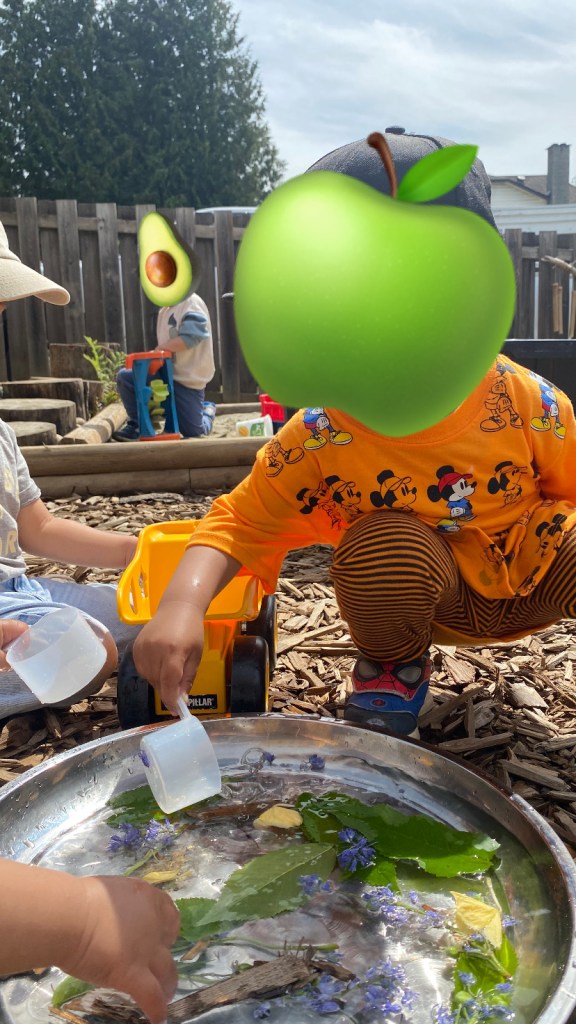
The children’s wonder, questions, and shared discoveries remind us that learning is an ongoing journey. Water remains a versatile and joyful tool, inspiring experimentation, imagination, and connection every day.
Love always,
our dear friends at PK ❤︎
 Peachy Keen Early Learning
Leave a comment